 Save
Save My daughter came home from school absolutely obsessed with Chicken Run, the stop-motion film about resourceful poultry, and suddenly every snack needed to be chicken-themed. One afternoon, while she was doing homework, I raided the vegetable drawer and started arranging carrots and peppers on a platter, trying to shape them into little birds. She wandered into the kitchen mid-project, gasped, and declared it the best idea ever. That's when I realized this wasn't just about the vegetables—it was about making her feel seen through something as simple as a snack arranged with intention.
I've made this platter for birthday parties, school potlucks, and lazy Sunday afternoons when the kids needed something to do besides screen time. What surprised me was how often adults circled back to the veggie tray, sampling different vegetables and the hummus. One mom pulled me aside at a birthday party and asked for the recipe because her son, who normally refused anything green, had eaten an entire cup of sugar snap peas. It's wild what a little playfulness and a good dip can accomplish.
Ingredients
- Baby carrots: Their natural sweetness and perfect stick shape make them ideal for dipping, plus they're sturdy enough not to break apart in little hands.
- Cucumber sticks: Refreshingly crisp and perfect for layering—I learned to pat them dry so they don't make the platter soggy.
- Red and yellow bell pepper strips: The brighness matters here, both visually and taste-wise; the slight sweetness balances the savory hummus beautifully.
- Cherry tomatoes: These work wonderfully as eyes or decorative touches, and their bite-sized nature means kids grab them as snacks before dipping even happens.
- Sugar snap peas: These are secretly the MVP—sweet, crunchy, and fun to eat straight from the pod.
- Black olives: Use these strategically for eyes or details that bring your vegetable arrangements to life.
- Chickpeas: The foundation of your hummus, providing creamy texture and subtle earthiness that pairs perfectly with herbs.
- Tahini: This sesame paste adds richness and helps bind everything together; stir it well before measuring so you get the right consistency.
- Olive oil: Good quality matters here since it's a prominent flavor; it adds silkiness to the hummus.
- Lemon juice: The brightness cuts through the creaminess and prevents the hummus from tasting flat or heavy.
- Garlic and dried herbs: Together they create that ranch flavor profile everyone recognizes, with dill being the star player.
- Cold water: Add this gradually at the end to reach the perfect dipping consistency without making the hummus watery.
Tired of Takeout? 🥡
Get 10 meals you can make faster than delivery arrives. Seriously.
One email. No spam. Unsubscribe anytime.
Instructions
- Prep your vegetables with intention:
- Wash everything thoroughly and cut into consistent sticks or strips—this takes about fifteen minutes and is where you can involve kids. I arrange larger pieces first, then fill gaps with smaller items, and always save olives for final decorative touches like eyes or spots.
- Build your hummus base:
- In a food processor, combine your drained chickpeas, tahini, olive oil, and lemon juice first, then add garlic and all the dried herbs. Blend for about a minute until things are breaking down, scraping down the sides as needed.
- Reach hummus perfection:
- With the processor still running, add cold water just a splash at a time until the mixture transforms from thick paste to creamy dip—you want it smooth enough to scoop with a vegetable but thick enough to cling to each bite. Taste it now and adjust salt or herbs if needed.
- Arrange and serve:
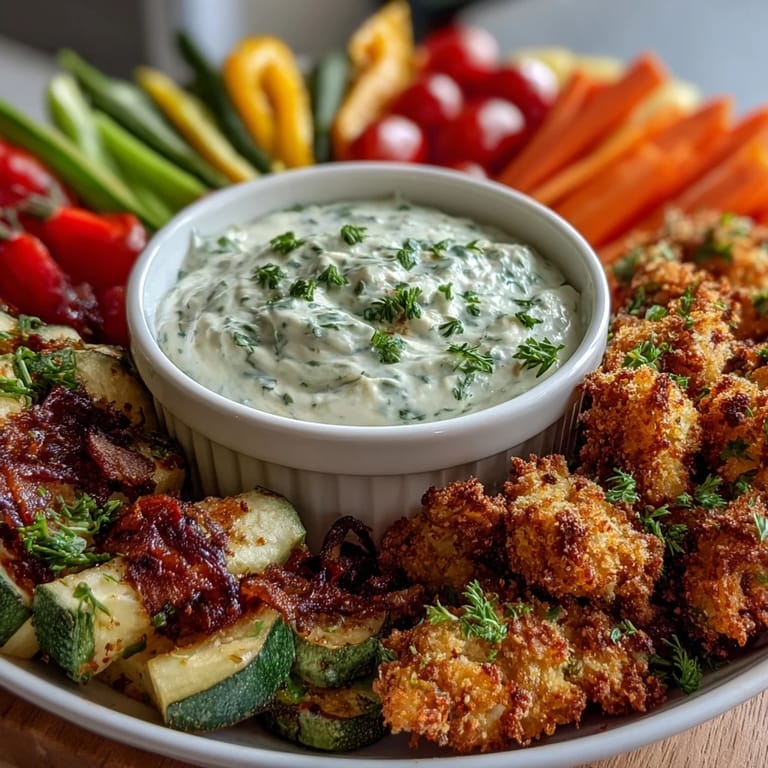
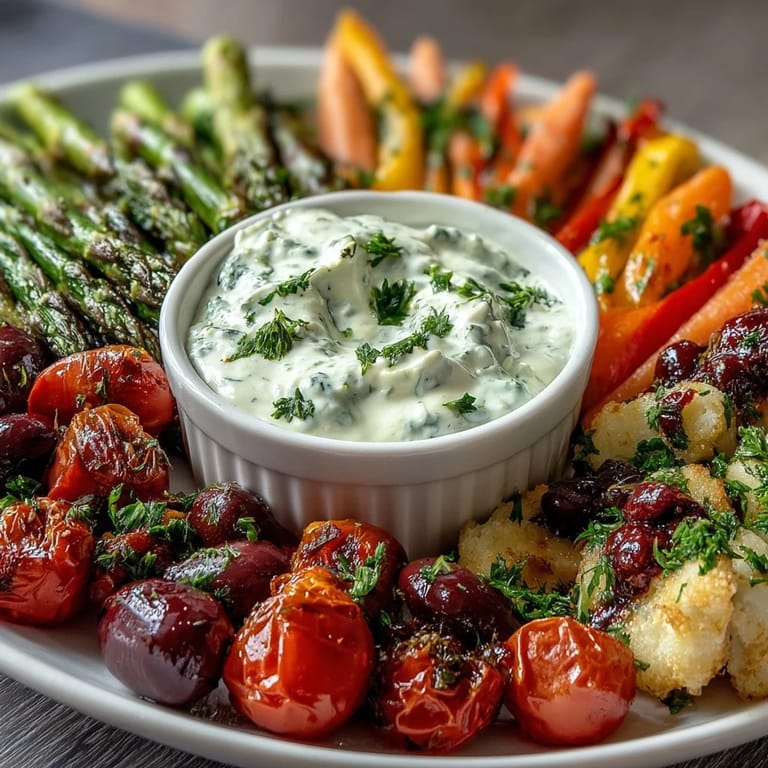
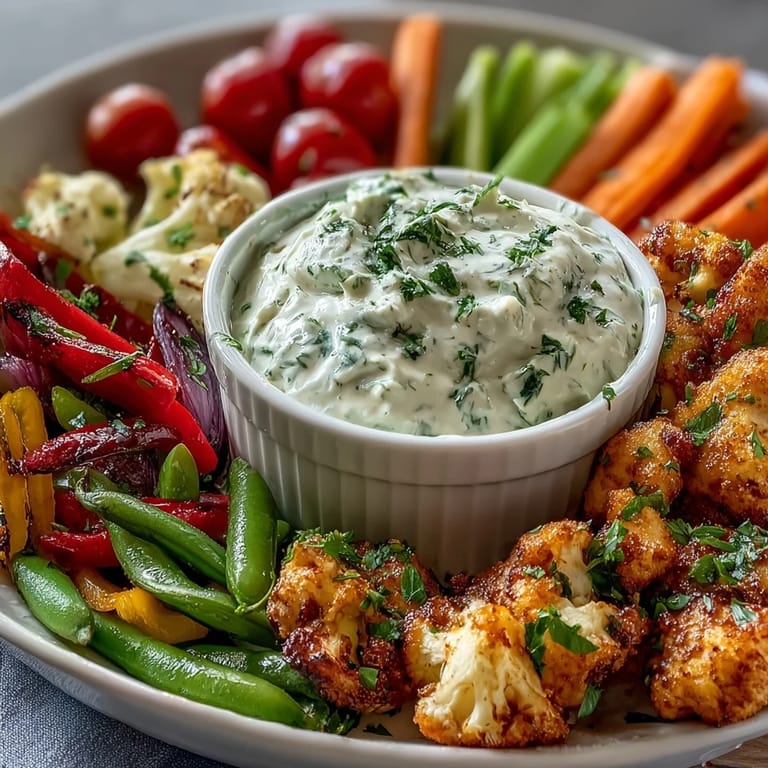
- Transfer hummus to a bowl and nestle it in the center of your vegetable platter, leaving enough space around it for people to dip without crowding. If you're not serving immediately, cover everything with plastic wrap and refrigerate; the vegetables stay crisp for hours.
 Save
Save The real magic happened when my daughter's friend, who is typically picky about vegetables, asked for seconds of the hummus and ate carrots for the first time without complaint. Watching her dip vegetable after vegetable without hesitation reminded me that sometimes all it takes is making something feel special and fun for people to try things they'd otherwise dismiss.
Getting Creative with the Arrangement
This is where the Chicken Run inspiration really shines—you're not just putting vegetables on a plate, you're creating little scenes. I've shaped cucumber slices into eggs using small cookie cutters, arranged pepper strips as wings, and used olives as eyes to make recognizable chicken silhouettes. It transforms the platter from functional to memorable, and kids suddenly care about eating their vegetables because they're part of the story you've created together.
Making This Recipe Your Own
The vegetable list is really just a starting point based on what looked good at the market that week. I've swapped in broccoli florets, radishes, celery sticks, even sliced purple cabbage depending on what was fresh and what my kids were willing to try. The hummus recipe is equally flexible—add a pinch of cayenne if your crowd likes heat, or swap dried basil for some of the dill if that's what you have on hand.
Timing and Preparation Notes
The entire platter comes together in about twenty-five minutes, making it perfect for last-minute gatherings or those moments when you realize you're supposed to bring something to a party. You can prep vegetables several hours ahead and store them in water in the refrigerator to keep them crisp, though I've learned the hard way that assembly happens best right before serving so everything looks fresh and vibrant. If you're serving pita chips or crackers alongside, arrange those separately so they don't get soggy from the hummus or vegetable moisture.
- Vegetables can be prepped up to a day ahead and stored in airtight containers with damp paper towels.
- The hummus actually tastes better the next day after flavors have melded together, so don't hesitate to make it ahead.
- If the hummus thickens in the refrigerator, just stir in a tablespoon of cold water to bring it back to perfect dipping consistency.
 Save
Save This recipe has become a regular in our house, not because it's complicated, but because it makes everyone happy and brings a little joy to snack time. Sometimes the best recipes are the ones that do more than feed people—they create moments.
Kitchen Q&A
- → What vegetables work best for this veggie tray?
Use crisp vegetables such as baby carrots, cucumber sticks, bell pepper strips, cherry tomatoes, and sugar snap peas to provide a variety of textures and colors.
- → How is the ranch hummus dip made creamy?
The dip becomes creamy by blending chickpeas with tahini, olive oil, lemon juice, garlic, and herbs, then adding cold water gradually to reach the desired consistency.
- → Can the vegetable shapes be customized?
Yes, using small cookie cutters allows shaping cucumbers or bell peppers into themed forms such as chickens or eggs, enhancing presentation.
- → Is this tray suitable for vegetarian and gluten-free diets?
Yes, all ingredients used are vegetarian and gluten-free, making it suitable for those dietary preferences.
- → How should leftovers be stored?
Cover and refrigerate the veggie tray and hummus dip separately to maintain freshness and prevent sogginess.