 Save
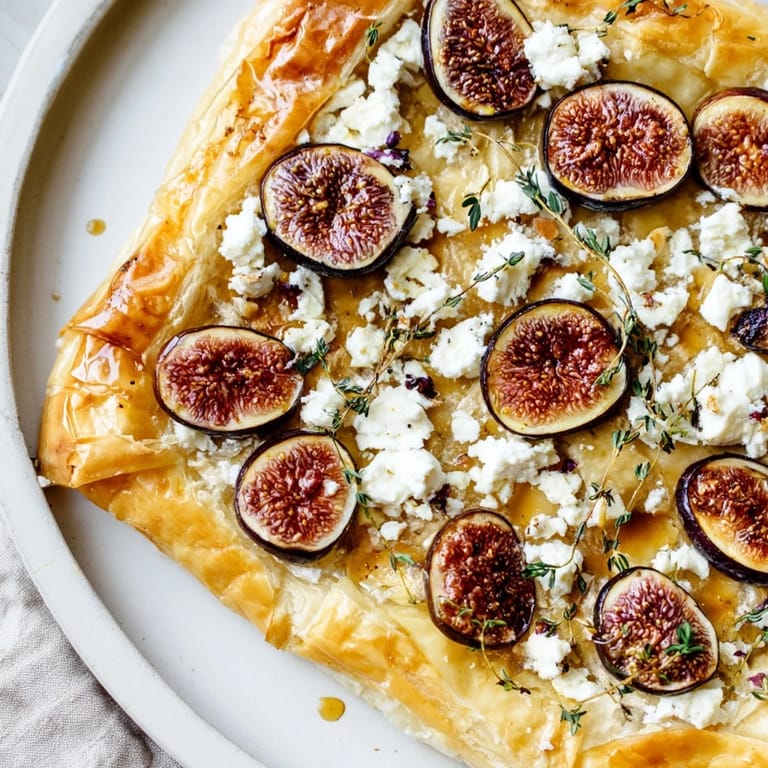
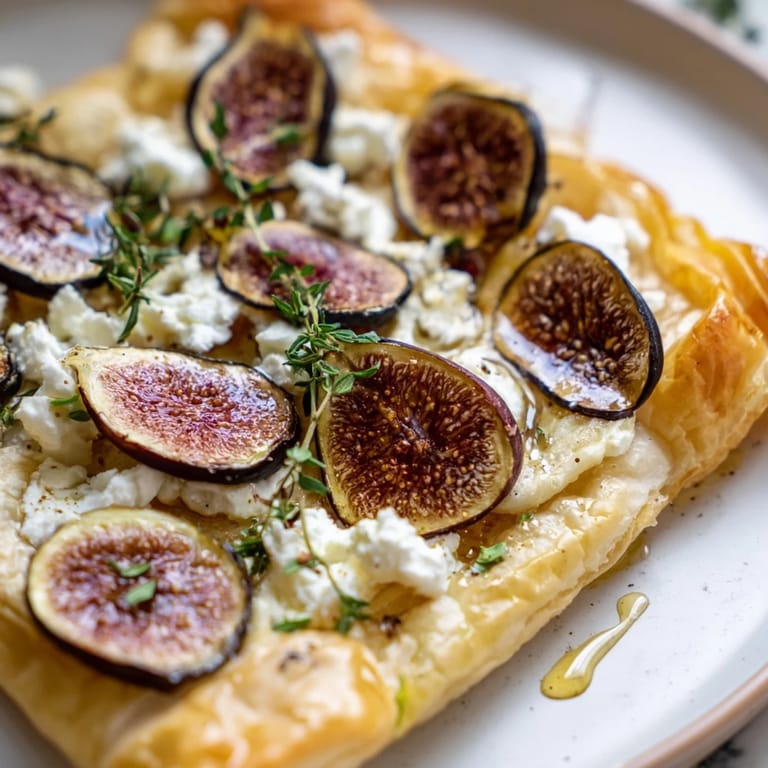
Save There's a particular magic that happens when you catch the aroma of puff pastry crisping in the oven—that buttery, almost cologne-like scent that fills the kitchen and makes everyone pause mid-conversation. I stumbled onto this truffle pizza by accident one evening when I had fancy ingredients scattered across the counter and only thirty minutes before guests arrived. The combination of crispy, shattering pastry with the earthiness of truffle oil and the brightness of figs felt like discovering a secret shortcut to elegance.
I remember serving this to my neighbor who showed up with a bottle of wine, expecting casual pizza night. When she bit into that first slice and the pastry shattered beneath her fork, her eyes went wide in that particular way that tells you something unexpected just happened on the palate. She asked for the recipe before she'd finished chewing, which is always the highest compliment a cook can receive.
Ingredients
- Puff pastry sheet (250 g): Make sure it's fully thawed—a cold sheet will bake unevenly and stubbornly. I learned this the hard way when I tried rushing the process.
- Fresh figs (4–5): The sweetness here is your counterpoint to the truffle's earthiness; choose figs that yield slightly to pressure but aren't mushy.
- Goat cheese (120 g): Crumbling it by hand gives you better texture than trying to spread it; the little pockets of cheese create pockets of creaminess.
- Truffle oil (1 tbsp): A little goes a long way—this is the ingredient that transforms something nice into something memorable, so don't skimp on quality.
- Honey (2 tbsp): The final drizzle while everything is still warm creates this beautiful glossy finish and a subtle sweetness that ties the whole thing together.
- Fresh thyme leaves (1 tbsp, optional): If you have it, it adds a whisper of herbaceousness that makes people wonder what the secret ingredient is.
- Olive oil (1 tbsp): This prevents the pastry from sticking and helps it achieve that golden, puffed exterior.
- Sea salt and black pepper: Don't underestimate these—the salt makes the fig sweetness pop and the pepper adds a tiny hint of bite.
Tired of Takeout? 🥡
Get 10 meals you can make faster than delivery arrives. Seriously.
One email. No spam. Unsubscribe anytime.
Instructions
- Heat your oven and prepare:
- Set the oven to 200°C (400°F) and line your baking sheet with parchment paper—this is the difference between a pizza that slides around and one that stays put. Having everything ready before you start means you won't be fumbling when the pastry is already laid out.
- Roll out and score the edges:
- Unroll your thawed pastry directly onto the prepared sheet and use a sharp knife to score a light border about 1 cm from the edges, being careful not to cut all the way through. This border will puff up beautifully and create a natural frame for your toppings.
- Brush with oil:
- Lightly brush the entire pastry surface except the border with olive oil—this step is what gives you that golden, crispy finish rather than a pale, floppy base. A pastry brush makes this easier, but your fingers work in a pinch.
- Arrange the figs:
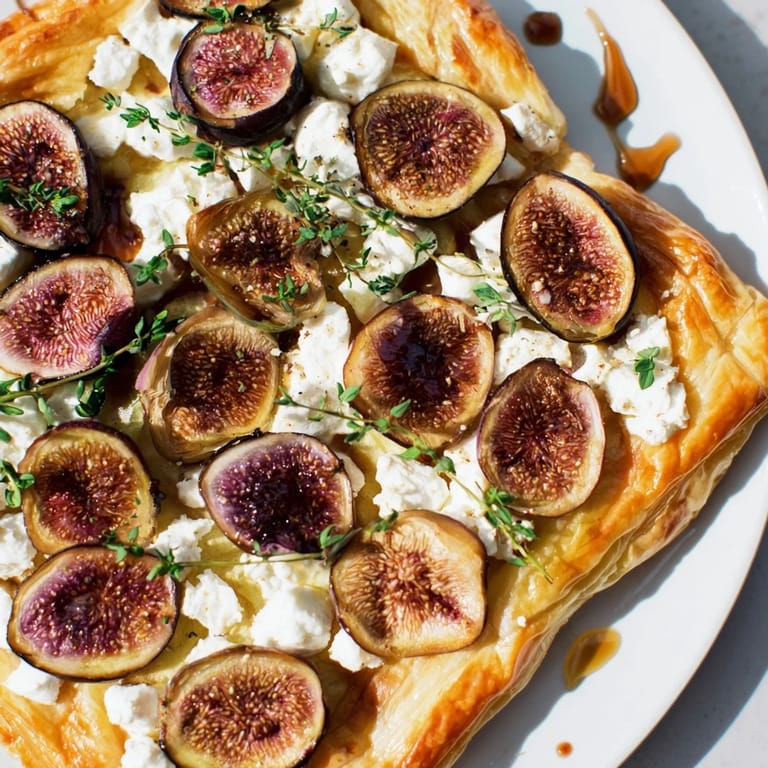
- Distribute your fig slices evenly across the pastry, leaving that border clear so it can puff without obstruction. There's no need to be precious about this; a casual scatter looks more natural and intentional than perfect rows.
- Add the cheese and herbs:
- Crumble the goat cheese over the figs and sprinkle with fresh thyme if you're using it—the cheese will melt slightly in the oven and create little pockets of creaminess throughout. Don't worry about even coverage; the irregular distribution is part of what makes it feel homemade.
- First drizzle of truffle oil:
- Use half your truffle oil here, drizzling it in a zigzag pattern across the toppings, then season lightly with sea salt and freshly ground black pepper. The warmth of the oven will coax out the truffle's fragrance and distribute the flavor as it bakes.
- Bake until golden:
- Slide everything into the oven for 18–20 minutes, watching for the moment when the edges turn deep golden and the pastry puffs up dramatically—that's your signal it's done. The interior should feel crispy when you tap it, not soft.
- Finish with honey and remaining truffle oil:
- The moment it comes out of the oven, drizzle with the remaining truffle oil and honey while the heat is still radiating from the pastry—this is when they absorb best and create that glossy, luxurious finish. The contrast of warm pastry with cool honey creates a moment of flavor complexity that catches people off guard.
- Slice and serve immediately:
- Cut while still warm so the pastry shatters under the knife rather than just bending. Serve right away, while the pastry is at its most dramatic and the cheese is still yielding.
 Save
Save What surprised me most about this recipe is how it became the thing I make when I want to feel like I'm taking care of people. There's something about handing someone a plate of warm, shattering pastry and watching their expression shift from hunger to actual delight that feels like a small act of generosity.
Why This Combination Works
The magic here isn't in complexity—it's in restraint. Each ingredient plays a specific role without competing for attention. The figs bring natural sweetness and a slight chew that contrasts with the pastry's crispness. The goat cheese adds a quiet tang that makes the truffle oil sing. And the honey? It's the final note that ties everything into something that feels both simple and sophisticated, which is honestly the definition of a really good appetizer.
Timing and Preparation
One of the reasons this works so well for entertaining is that you can prep everything while the oven preheats—slice your figs, crumble your cheese, have your oils ready. The actual assembly takes maybe three minutes. I've found that if you're in a rush, you can even assemble it the morning of and bake it just before guests arrive, which means less last-minute kitchen stress and more time actually enjoying people's company.
Variations and Swaps
While this version is my go-to, I've learned that the structure is flexible enough to accommodate what you have on hand or what you're craving. I've made it with blue cheese instead of goat cheese on nights when I wanted something bolder and earthier—the truffle still works beautifully with that sharp funk. Some seasons I add chopped walnuts for extra crunch before baking, or swap the figs for pears if they're not in season. The point is that once you understand how the components balance, you can play with it confidently.
- Blue cheese creates a bolder, funkier version that still respects the truffle's elegance.
- Walnuts scattered before baking add a textural contrast that makes each bite feel more substantial.
- Late-season pears work beautifully if fresh figs aren't available, though you'll lose that fig-specific sweetness.
 Save
Save This pizza has become the thing I make when I want to remind myself that cooking doesn't have to be complicated to be meaningful. Sometimes the simplest combinations, treated with a little care and attention, are exactly what people remember.
Kitchen Q&A
- → What is the best way to ensure the puff pastry stays crispy?
Preheat your oven thoroughly and bake the pastry on a lined baking sheet at 200°C (400°F) until golden and puffed. Avoid wetting the edges to keep the border crisp.
- → Can I substitute goat cheese with another cheese?
Yes, blue cheese offers a bolder flavor, or you can try ricotta for a milder alternative.
- → How does truffle oil affect the flavor profile?
Truffle oil imparts a fragrant, earthy aroma that elevates the sweet figs and creamy cheese, creating a luxurious complexity.
- → Is fresh thyme necessary for this dish?
Thyme adds a subtle herbal note but is optional; the dish remains flavorful without it.
- → What dishes or drinks pair well with this pastry?
Crisp Sauvignon Blanc or a sparkling wine complement the sweet and savory balance beautifully.