 Save
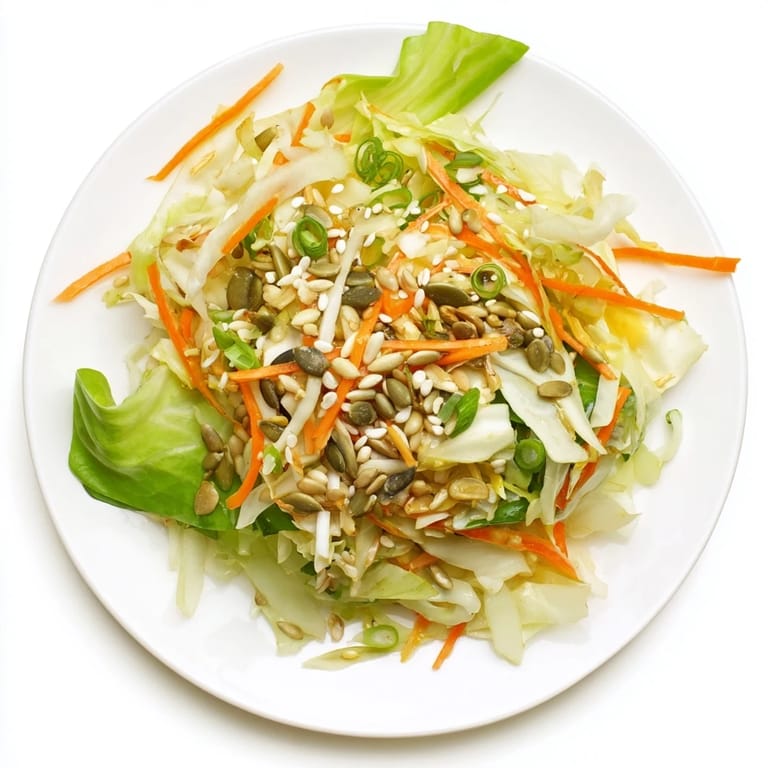
Save I discovered the magic of cabbage cores completely by accident one Tuesday afternoon when I was about to toss one in the compost. My neighbor stopped by and caught me mid-waste, laughing at how I'd been throwing away the best part all along. She showed me how to shred them fine, and that's when everything changed. Now, I can't make a slaw without starting there, because those cores have this tender sweetness that the outer leaves just don't have. It's become one of those kitchen habits that feels like finding money in an old jacket pocket every single time.
The first time I brought this to a potluck, someone asked if it was from a restaurant because the texture was so perfect. I remember feeling a little proud, watching people pile it onto their plates while I stood there trying not to grin. It turned out my friend with the gluten sensitivity could actually eat it without worrying, and that mattered more to me than the compliment. Now whenever someone's coming over with dietary restrictions, this is what I make, because it feels like everyone's being welcomed to the table, not accommodated.
Ingredients
- Cabbage cores, finely shredded: The heart of this dish, and so tender when shredded thin. Most people discard these, which is exactly why you'll have the best slaw on the block.
- Green cabbage leaves: They add color and a bit of structure without overwhelming the delicate core texture.
- Carrot, julienned: The sweetness balances the sesame and gives you those satisfying little pops of crunch.
- Green onions, thinly sliced: A whisper of onion flavor that rounds everything out without being harsh.
- Toasted sesame oil: Use the good stuff here—this is where all the warmth and depth come from, so don't skimp.
- Rice vinegar: Bright and clean, it keeps the slaw from feeling heavy.
- Soy sauce or tamari: A touch of umami that makes you keep reaching for more.
- Maple syrup or honey: Just enough sweetness to tie everything together without making it dessert.
- Fresh ginger and garlic: These wake everything up and add that comforting warmth you get in really good Asian food.
- Toasted seeds: The sesame, pumpkin, and sunflower seeds are your textural MVP—toast them yourself if you can, because the smell alone is worth it.
Tired of Takeout? 🥡
Get 10 meals you can make faster than delivery arrives. Seriously.
One email. No spam. Unsubscribe anytime.
Instructions
- Prep your vegetables:
- Shred your cabbage cores as fine as you can without turning them into mush. The thinner they are, the more delicate the whole dish becomes, and that's when the magic happens.
- Make your dressing:
- Whisk sesame oil, rice vinegar, soy sauce, maple syrup, ginger, and garlic together until it looks glossy and emulsified. You're looking for it to smell incredible and taste perfectly balanced between salty, tangy, and a touch sweet.
- Bring it together:
- Pour that dressing over your vegetables and toss like you mean it, making sure every strand gets coated. This is where the flavors start melding, and you'll feel the difference.
- Toast and scatter:
- Sprinkle your seeds over the top and toss gently one more time. I usually keep some seeds back to scatter on top at the end for that gorgeous final presentation.
- Let it rest:
- Give it 10 minutes for the flavors to really get to know each other, then serve it however you want—chilled, room temperature, it's all delicious.
 Save
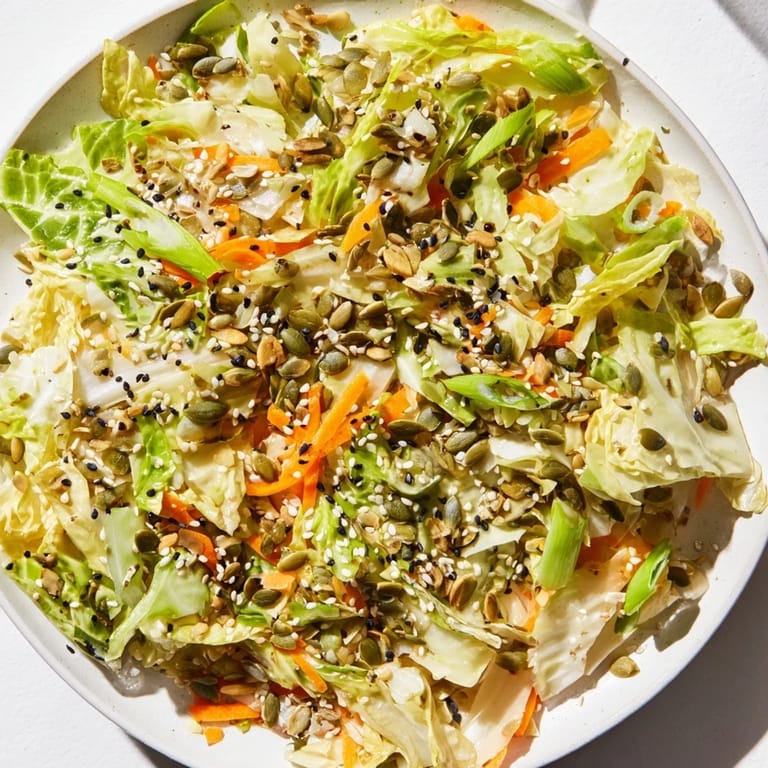
Save There's something about making this slaw that feels like a small act of kitchen wisdom, like you're taking something that would have been waste and turning it into the star of the meal. It's become one of those dishes that reminds me that the best food often comes from paying attention to what's already in your hands.
Why Cabbage Cores Are Your Secret Weapon
Most home cooks cut away the core and never look back, but that's where all the tender, sweet flavor lives. The core has this delicate crunch that's almost delicate compared to the outer leaves, and when you shred it fine, it becomes this silky base that holds the dressing beautifully. I started buying whole cabbages just for the cores, and my produce waste dropped to almost nothing—a win for your wallet and the planet.
The Sesame Oil Factor
This dressing wouldn't exist without toasted sesame oil, and I mean the real kind, not the light extraction stuff. It has this deep, almost nutty-brown taste that instantly makes you think of restaurants and takeout nights. A little goes a long way, which is perfect because a good bottle costs a bit, but it lasts forever and makes every single dish taste like someone who knows what they're doing made it.
Serving and Storage
This slaw is best served within a day of making it, while everything still has that crisp edge. You can keep it in the fridge for up to three days, though the vegetables will gradually soften as they release their water. If you're meal prepping, keep the dressing separate and toss everything together right before you eat.
- Serve it alongside grilled chicken, fish, or tofu for an instant balanced meal.
- Pack it in a lunchbox with some rice and you've got a full meal that tastes even better the next day.
- Pile it on a sandwich or grain bowl for something that feels both light and deeply satisfying.
 Save
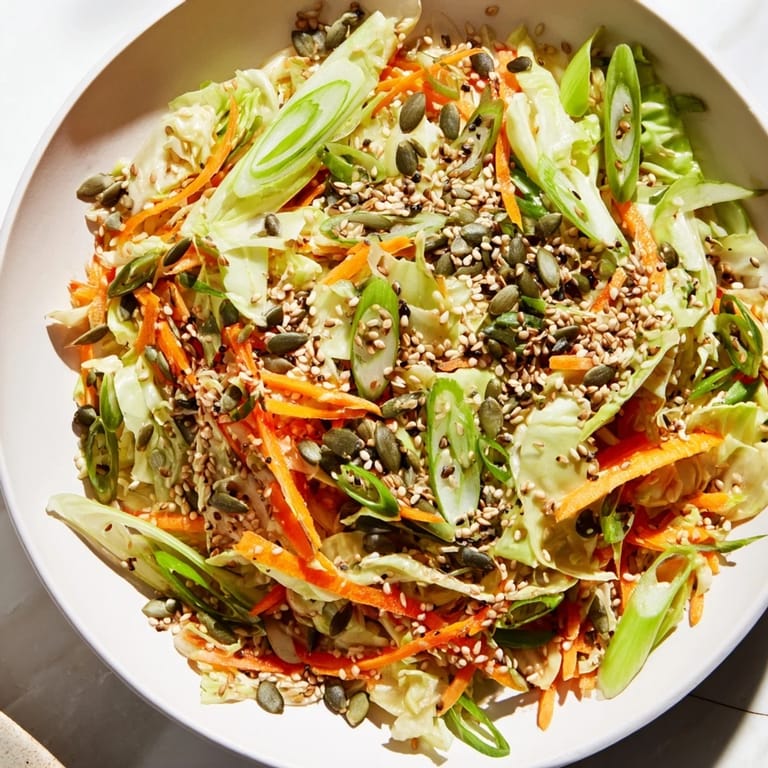
Save This is the kind of dish that makes you feel like a better cook, even though it's almost impossibly simple. It's proof that sometimes the best meals come from paying attention to what we'd normally throw away.
Kitchen Q&A
- → What vegetables are used in this slaw?
Finely shredded cabbage cores and green cabbage leaves, julienned carrot, and thinly sliced green onions are combined for a crisp, fresh base.
- → What gives the dressing its nutty flavor?
Toasted sesame oil and a mix of toasted sesame, pumpkin, and sunflower seeds provide a rich, nutty taste and crunchy texture.
- → Can I adjust the sweetness in the dressing?
Yes, maple syrup or honey adds subtle sweetness and can be adjusted to taste or substituted based on dietary preferences.
- → Is this dish served warm or cold?
The slaw is best served chilled or at room temperature, allowing the flavors to meld and refreshing the palate.
- → Are there any suggested additions for extra flavor?
Adding sliced red chili or a dash of chili oil can introduce heat, while fresh cilantro or mint adds a fragrant freshness.