 Save
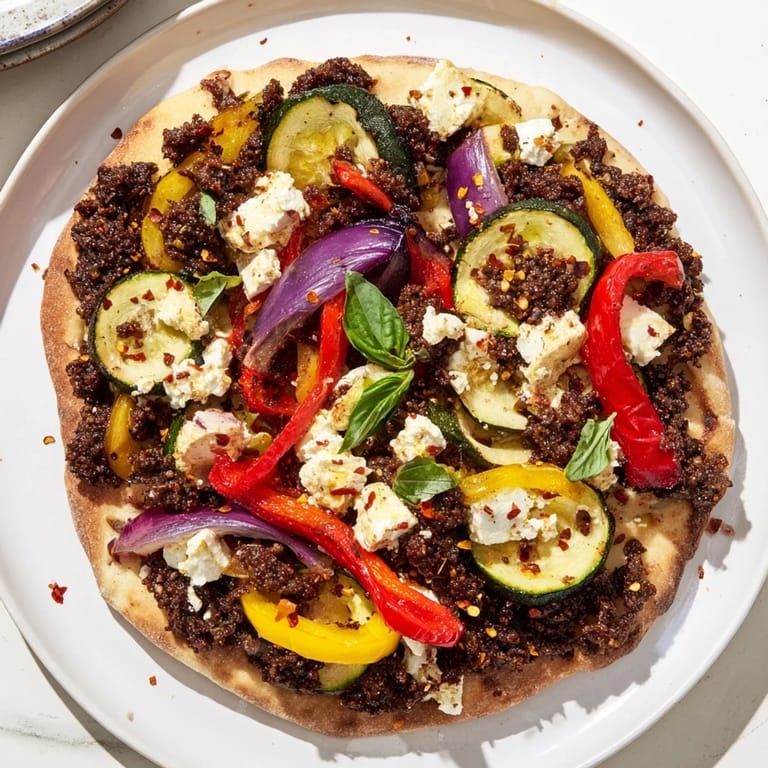
Save There's something about the smell of olive tapenade hitting a hot oven that makes me feel like I'm cooking somewhere warm and Mediterranean, even on a gray Tuesday afternoon at home. I discovered this naan bread pizza completely by accident when I had leftover tapenade, some roasted vegetables getting sad in the fridge, and a pack of naan that needed using up. What started as fridge roulette turned into something I now make on purpose, whenever I want lunch to feel a little less ordinary without spending hours in the kitchen.
I made this for my neighbor once when she stopped by right as everything was coming out of the oven, and she ate two slices standing up in my kitchen, barely saying a word except for a low whistle. That's when I realized this wasn't just my weeknight shortcut, it was actually impressive enough to share without apology.
Ingredients
- Naan breads (4 large): These are your pizza base and they do most of the heavy lifting, crisping up beautifully when they hit the hot oven and giving you that chewy-crispy texture you can't fake.
- Kalamata olives (1/2 cup, pitted): The backbone of your tapenade, briny and bold, so don't skip the quality here because you'll taste every penny.
- Capers (2 tablespoons, rinsed): These little flavor bombs add a sharp, salty punch that keeps everything from getting too rich.
- Garlic (1 clove): Just one, because tapenade forgives nothing when it comes to garlic imbalance.
- Extra-virgin olive oil (2 tablespoons for tapenade, 2 for vegetables): Use the good stuff for the tapenade where you'll taste it raw, and regular good stuff for roasting.
- Lemon juice (1 tablespoon): This brightens everything and keeps the tapenade from tasting dull or one-dimensional.
- Bell pepper, red (1, sliced): Sweet when roasted, and the red ones are less watery than green.
- Zucchini, yellow (1, sliced): Yellow zucchini is slightly sweeter than green and adds a subtle color contrast that makes everything look more intentional.
- Red onion (1 small, sliced): These get jammy and sweet in the oven instead of harsh and sharp.
- Eggplant (1 small, diced): Cut smaller than the other vegetables so it roasts through and gets creamy inside instead of staying firm.
- Dried oregano (1/2 teaspoon): Trust the Mediterranean tradition here, it knows what it's doing.
- Feta cheese (3.5 oz, crumbled): The creaminess here balances the brininess, and it melts just slightly without disappearing completely.
- Fresh basil (1/4 cup, torn): Always tear basil by hand instead of cutting it, the bruising matters less and it looks less sad.
- Chili flakes (1/2 teaspoon, optional): A whisper of heat at the end wakes up all the flavors, but respect that this is optional.
Tired of Takeout? 🥡
Get 10 meals you can make faster than delivery arrives. Seriously.
One email. No spam. Unsubscribe anytime.
Instructions
- Get your oven ready and start the vegetables:
- Heat the oven to 425°F and toss your sliced peppers, zucchini, onion, and diced eggplant with 2 tablespoons olive oil, oregano, salt, and pepper. Spread them on a baking sheet in a single layer and let them roast for 15 to 18 minutes until they're tender with charred edges, which is where all the flavor lives.
- Make the tapenade while vegetables roast:
- Pulse olives, capers, garlic, olive oil, and lemon juice in a food processor until you have a coarse paste with some texture left, not a smooth puree that feels too refined for what's about to happen. Taste it and breathe in for a second because this smell is exactly what you're working toward.
- Spread tapenade on the naan:
- Lay your naan breads on a clean baking sheet and spread each one generously with tapenade, right to the edges because every bite should have that salty punch.
- Build your pizzas:
- Top each tapenade-covered naan with your roasted vegetables, making sure to get some of those charred edges on every piece, then scatter crumbled feta over the top until it looks generous and uneven in the best way.
- Bake until crispy and just golden:
- Slide everything into the oven for 5 to 7 minutes, watching it happen because you're looking for the naan to go crispy at the edges and the feta to just barely turn golden and warm.
- Finish and serve:
- Pull it out, scatter torn basil and chili flakes if you're feeling it, slice into pieces, and serve while it's still warm enough that the feta is soft.
 Save
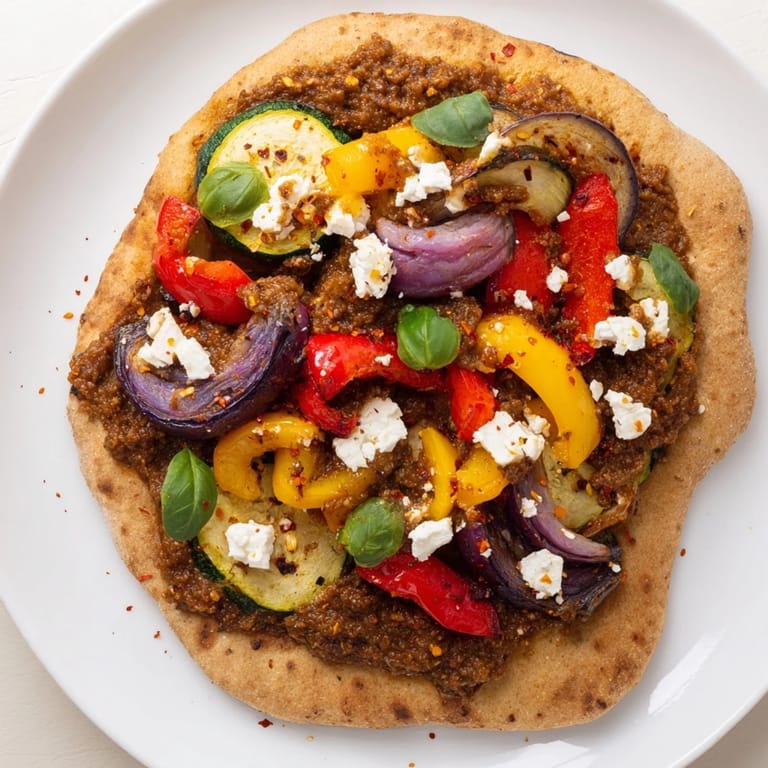
Save There was a moment, watching my partner take a bite of this pizza, when I saw them pause and then go back for more without saying anything, just smiling at the plate. That's when I understood that simple food made thoughtfully hits different than complicated food made out of obligation.
Playing with Seasons and Vegetables
The beauty of this pizza is that it follows what's actually in the market, not what you think pizza should have on it. In summer when mushrooms are fat and earthy, roast those instead of eggplant. When cherry tomatoes are at their peak and practically glowing, halve them and let them burst in the oven until they're almost caramelized. In fall, thinly sliced fennel roasts into something sweet and almost licorice-like that pairs perfectly with olives. Winter is the time to remember spinach, a handful wilted into the roasted vegetables at the last minute adds a peppery green that makes feta taste even richer by comparison.
The Tapenade Strategy
I learned to make tapenade in bulk because it keeps in the fridge for a week and suddenly you have answers to the question of what to put on things. Beyond pizza, spread it on toast with fresh ricotta, stir it into hummus to make something more interesting than hummus alone, or dollop it onto grilled fish where it melts slightly and adds a sophisticated salty note. The tapenade is actually more flexible than the pizza itself, so if you find you're making this once, make extra tapenade and let it solve other problems in your week.
Making This Vegan or Dairy-Free
Losing the feta doesn't mean losing the depth here, it just means you're relying entirely on the tapenade and the roasted vegetables to carry the flavor, which they absolutely can do. A good cashew ricotta mixed with nutritional yeast and lemon creates something creamy and rich, or try a plant-based feta that actually tastes like something instead of sadness. The important part is that you don't skip the tapenade or the quality of the roasted vegetables, because those two things are doing all the actual work.
- Look for plant-based feta brands that crumble and hold their shape instead of turning to mush in the oven.
- Nutritional yeast sprinkled on top at the end adds a savory, cheesy note without any animal products.
- Don't let anyone make you feel like this version is lesser, it's just different and equally delicious when made with intention.
 Save
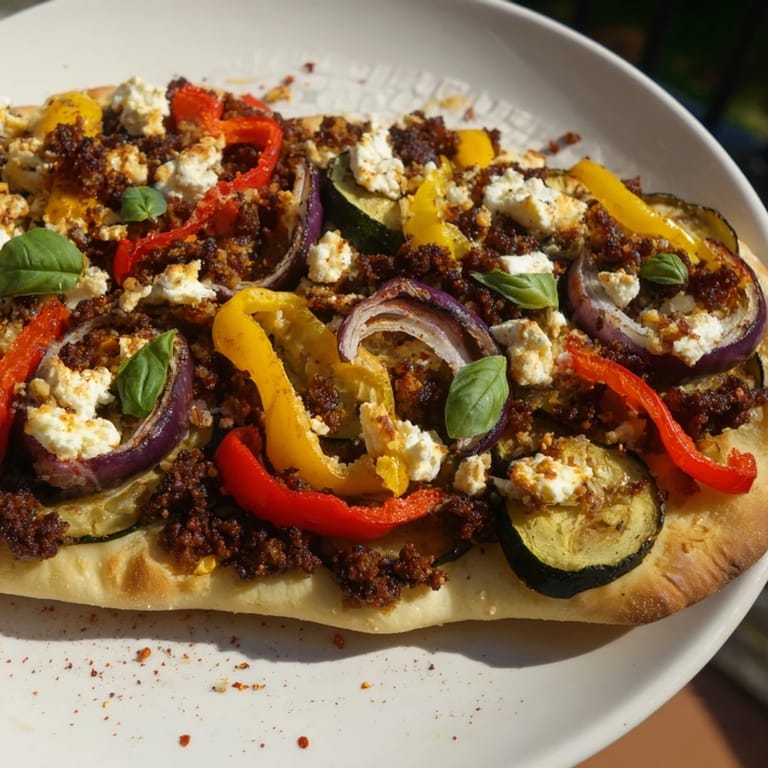
Save This pizza sits in that perfect space where it feels intentional but doesn't demand anything from you except the willingness to chop some vegetables and not overthink it. Make it once and it becomes the thing you return to.
Kitchen Q&A
- → What type of bread is used as a base?
Fluffy naan bread is used to provide a soft yet crisp base that holds the toppings well.
- → How is the olive tapenade prepared?
The tapenade is a coarse paste made by blending Kalamata olives, capers, garlic, olive oil, and lemon juice.
- → Which vegetables work best for roasting in this dish?
Red bell pepper, yellow zucchini, red onion, and eggplant are ideal for roasting to develop sweetness and texture.
- → Can the feta cheese be substituted?
Yes, plant-based feta alternatives can be used for a vegan variation without sacrificing taste.
- → What cooking temperatures and times are recommended?
Roast vegetables at 425°F (220°C) for 15-18 minutes, then bake the assembled naan for 5-7 minutes for a crisp finish.
- → Are there any recommended beverage pairings?
A crisp Sauvignon Blanc or sparkling water with lemon pairs nicely with the dish’s vibrant Mediterranean flavors.