 Save
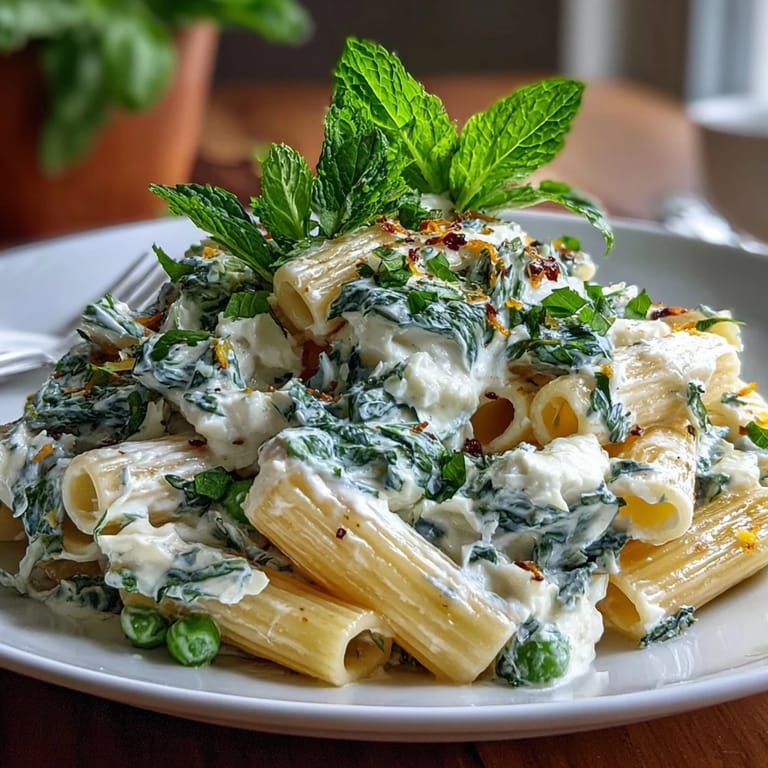
Save There's something about the first warm afternoon in spring that makes you want to cook something green and bright, and this pasta was born from exactly that kind of day—when I opened my fridge and found a container of ricotta that needed using, fresh mint growing wild on my windowsill, and a bag of peas calling out to be something more than a side dish. I threw them together almost by accident, tasting as I went, and suddenly had the kind of meal that feels both fancy enough for guests and simple enough for a Tuesday lunch.
I made this for my neighbor one evening when she stopped by with fresh mint from her garden, and watching her face when she tasted it—that pause before smiling—is when I knew it had to become a regular rotation. She kept asking what was in it, convinced there had to be cream, and I loved telling her there wasn't any at all, just good ricotta and technique.
Ingredients
- Short pasta (penne, fusilli, or orecchiette): 350 g. The shape matters here because those little pockets and spirals catch the creamy sauce and the peas, so every bite has texture and something to hold onto.
- Fresh or frozen peas: 250 g. Frozen peas are honestly just as good as fresh—sometimes better because they're picked at peak sweetness and frozen immediately, so don't feel bad reaching for them.
- Ricotta cheese: 250 g. This is your sauce base, so use the freshest ricotta you can find; that slight sweetness and pillowy texture is what makes the whole dish work.
- Garlic: 2 cloves, finely chopped. This is just there to warm and open up in the oil, not to take over—keep it subtle.
- Lemon zest: From 1 unwaxed lemon. This is the brightness that lifts everything, so don't skip it or use juice as a substitute.
- Parmesan cheese: 50 g grated, plus extra for serving. The aged nuttiness balances the fresh mint and keeps things savory and grounded.
- Fresh mint: 1 small bunch, finely chopped (about 15 g). This is the heart of the dish, so taste your mint before using it—it should smell green and alive, not dusty.
- Extra-virgin olive oil: 2 tbsp. Use something you'd actually taste straight, because it's doing real work here.
- Salt and freshly ground black pepper: For seasoning. The pasta water is salty, so taste as you go.
Tired of Takeout? 🥡
Get 10 meals you can make faster than delivery arrives. Seriously.
One email. No spam. Unsubscribe anytime.
Instructions
- Set the water to boil:
- Fill a large pot with water, salt it generously so it tastes like the sea, and get it to a rolling boil—this is your foundation. Once it's bubbling, add the pasta and stir it immediately so nothing sticks.
- Cook pasta to al dente:
- Follow the package timing, but start checking a minute before it says done—you want it tender but with just a whisper of resistance when you bite it. Before draining, scoop out a mug of that starchy cooking water and set it aside; you'll need it.
- Wake up the aromatics:
- While the pasta cooks, warm the olive oil in a large pan over medium heat and add your chopped garlic, listening for that gentle sizzle and letting the smell fill your kitchen for just about a minute until it smells golden and fragrant, not brown.
- Brighten with peas:
- Add the peas to the pan and let them warm through for 2 to 3 minutes, stirring occasionally—frozen peas might take the longer end of that, and you want them bright green and tender, not mushy. This is when the whole dish starts coming alive.
- Bring it together:
- Marry the pasta and peas:
- Drain your pasta and tip it into the pan with the peas, tossing everything together so the oil and heat start coating each piece. Now it smells like dinner.
- Create the creamy sauce:
- Pull the pan off the heat and stir in the ricotta, lemon zest, Parmesan, and half of your mint, then pour in some of that reserved pasta water—start with a small splash, toss, and keep adding until you have a sauce that's creamy and flowing but not soupy. The starch from the water helps the ricotta coat everything.
- Season and taste:
- Add salt and plenty of black pepper, then taste it and adjust—you might want more lemon, more mint, or more pepper depending on your ingredients and mood.
- Plate and finish:
- Divide among bowls, scatter the remaining mint on top, add a generous shower of extra Parmesan, and eat it while it's still warm and the mint is still bright.
 Save
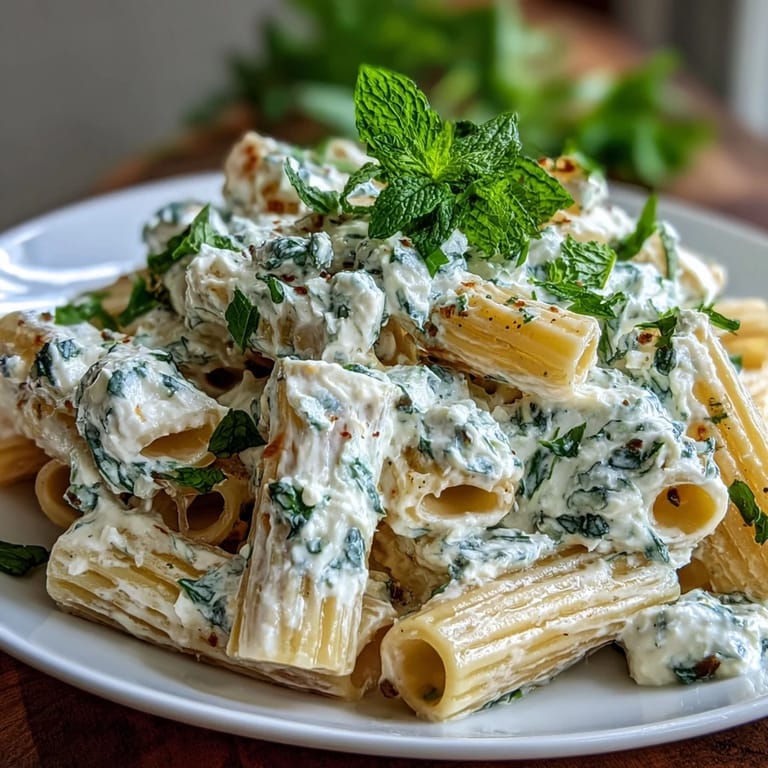
Save What strikes me most about this dish is how something so simple—just a few good ingredients, no fancy techniques—can make the whole meal feel like a small celebration. Every time I make it, I'm reminded that the best food doesn't need to be complicated, it just needs to be made with attention and tasted with joy.
Why Spring Tastes Like This
Spring pasta has a completely different energy than winter pasta, and I think it's because the ingredients themselves taste different—lighter, sweeter, more alive. When you're working with fresh mint and bright lemon, you're not trying to build warmth and comfort, you're trying to capture a feeling, a season, a moment when everything starts growing again. This dish does that without any pretense.
The Ricotta Secret
Most people think ricotta needs cream to become a sauce, but that's not quite true—what ricotta needs is starch and patience. The pasta water does the heavy lifting, emulsifying with the oil and the ricotta to create something silky that coats every piece of pasta. It's one of those cooking moments where understanding why something works makes it feel less like following a recipe and more like actually cooking.
Variations and Moments
I've made this dish a dozen different ways depending on what's in my kitchen and what kind of day I'm having. Some days I add a handful of tender spinach or peppery arugula with the peas, which makes it even more of a spring salad situation. Other times, when I want some texture, I'll toast a handful of pine nuts in a dry pan while everything else cooks and scatter them on top—the crunch against the cream is genuinely wonderful. There's also a version I made once with fresh dill instead of mint when I couldn't find good mint, and it was lighter, more delicate, like cooking with something that grows by the water. The bones of the recipe are strong enough to handle these shifts, which is why I keep coming back to it.
- Try adding a small handful of baby spinach or arugula to the peas for extra freshness and a slight peppery note.
- Toast some pine nuts in a dry skillet while the pasta cooks and scatter them over the finished dish for unexpected crunch.
- Experiment with other fresh herbs like dill or basil if you want to see how the dish changes its personality.
 Save
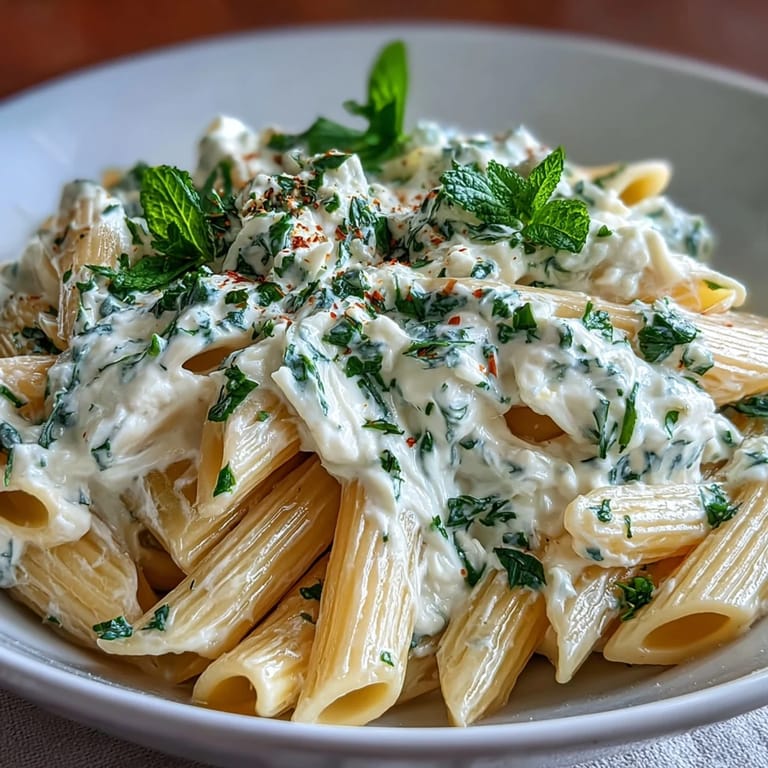
Save This is the kind of dish that reminds me why I love cooking, because it's fast enough for a weeknight but bright enough to feel like a gift. Make it when the first real spring day arrives, or whenever you need something that tastes like hope.
Kitchen Q&A
- → What pasta types work best with this dish?
Short pasta such as penne, fusilli, or orecchiette are ideal as they hold the creamy sauce well.
- → Can frozen peas be used instead of fresh?
Yes, frozen peas work well and should be cooked slightly longer until tender and bright.
- → How do I achieve the creamy texture in the sauce?
Stirring ricotta and Parmesan into the pasta along with reserved cooking water creates a smooth, creamy coating.
- → What herbs enhance the flavor profile?
Fresh mint adds a fragrant, cooling note that balances the richness of the cheese.
- → Are there suggested additions for texture?
Toasted pine nuts or a handful of baby spinach can add crunch and freshness to the dish.