 Save
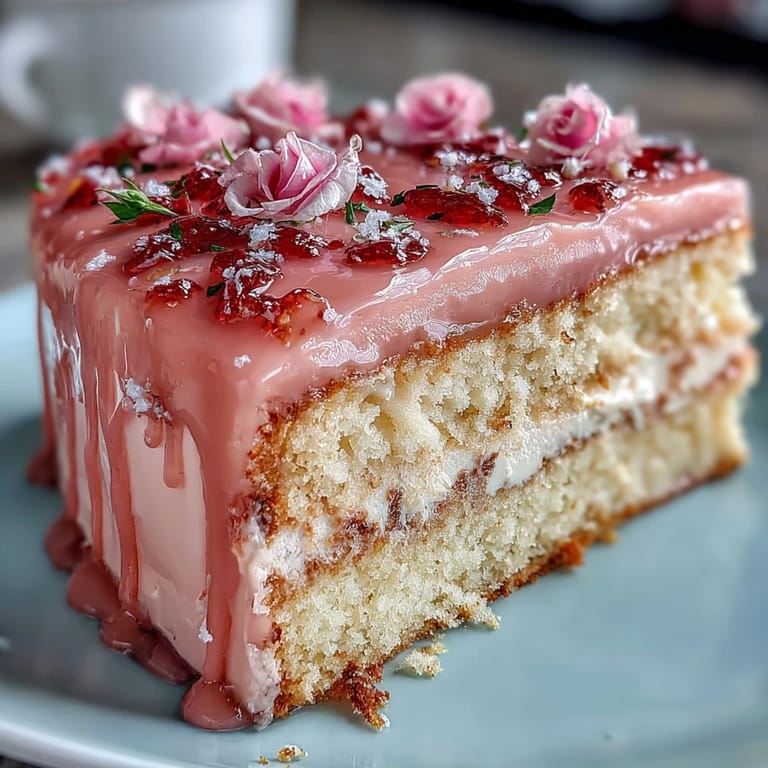
Save My sister called me three weeks before Mother's Day in a panic—she'd volunteered to bring dessert to our family brunch but had no idea what to make. I found myself at her kitchen counter at midnight, sketching out this cake on the back of an envelope, imagining tiers of soft vanilla cake wrapped in shades of pink that would make our mom smile the moment she saw it. There's something about layering buttercream from pale whisper-pink to deeper rose that feels like painting with butter, each shade telling part of the celebration. That cake became the centerpiece of our table, and watching my sister beam as everyone took their first bite made me realize this wasn't just dessert—it was confidence baked into three perfect layers.
I'll never forget frosting this cake for the first time while my mother stood beside me, offering commentary on every shade of pink. She kept saying, "Just one more drop," which meant the ombre took twice as long as planned, but her laughter in the kitchen made those extra minutes feel like the whole point. When she later told a friend it was homemade and almost too pretty to eat, I understood that some recipes are less about technique and more about the moment you're creating.
Ingredients
- All-purpose flour (2 ½ cups): The foundation of a tender crumb—sifting isn't necessary here, but whisking it with the baking powder ensures even leavening throughout.
- Baking powder (2 ½ tsp): This is your lift, so don't skip it or reduce it; it's what keeps the cake from being dense.
- Salt (½ tsp): A small amount heightens the vanilla flavor and balances the sweetness beautifully.
- Unsalted butter (1 cup for cake, 1 ½ cups for buttercream): Room temperature butter creams smoothly and incorporates air; cold butter will make you work twice as hard.
- Granulated sugar (2 cups): Creaming this with butter for 3-4 minutes isn't just following orders—it's where the cake's tender texture is born.
- Large eggs (4): Room temperature eggs blend seamlessly into the batter without breaking the emulsion.
- Pure vanilla extract (1 tbsp for cake, 2 tsp for buttercream): This is the subtle backbone that makes people pause and ask what makes it taste so good.
- Whole milk (1 cup): Alternating milk and flour keeps the batter smooth and prevents overmixing.
- Powdered sugar (5 cups): Sifting this before adding prevents lumps in your buttercream and creates that silky finish.
- Milk or heavy cream (2-3 tbsp): Start with 2 tablespoons; add more only if needed to reach spreadable consistency.
- Pink gel food coloring: Gel is worth hunting for because it won't thin your buttercream like liquid coloring does, keeping your frosting fluffy.
- Edible flowers: Violets, pansies, and rose petals add the final touch of elegance—buy or pick them fresh the morning you decorate.
Tired of Takeout? 🥡
Get 10 meals you can make faster than delivery arrives. Seriously.
One email. No spam. Unsubscribe anytime.
Instructions
- Prepare Your Pans:
- Preheat the oven to 350°F and grease three 8-inch round pans, then line them with parchment paper—this step feels tedious but saves you from cake disasters. A little butter on the pan sides keeps the parchment from sliding around.
- Combine the Dry Ingredients:
- Whisk flour, baking powder, and salt in a medium bowl until they're evenly distributed. This whisking takes just a minute but prevents pockets of baking powder that would taste chalky.
- Cream the Butter and Sugar:
- Beat butter and sugar together for 3-4 minutes until it looks pale and fluffy, almost like clouds—this is where the cake gets its tender crumb. Stop and scrape down the bowl halfway through.
- Add Eggs and Vanilla:
- Add eggs one at a time, beating well after each one so the batter stays emulsified and smooth. Pour in vanilla extract after the last egg.
- Alternate Flour and Milk:
- Add the flour mixture in three parts, alternating with milk—flour, milk, flour, milk, flour—beginning and ending with flour. This alternating method prevents overmixing, which would make the cake tough.
- Fill and Bake:
- Divide batter evenly among the three pans and smooth the tops with a spatula. Bake for 25-30 minutes until a toothpick inserted in the center comes out clean or with just a few crumbs.
- Cool Completely:
- Let cakes rest in pans for 10 minutes, then turn them out onto wire racks to cool completely—this prevents the bottom from steaming and getting soggy. This step requires patience; don't rush it.
- Make the Buttercream:
- Beat room-temperature butter on high speed for 2-3 minutes until it's pale and creamy, then gradually add sifted powdered sugar on low speed. This gradual approach keeps your kitchen from being dusted white.
- Add Flavor and Fluffiness:
- Pour in vanilla extract and milk, then beat on high for 3 minutes until the buttercream is light and fluffy. It should look like whipped clouds.
- Create the Ombre Effect:
- Divide buttercream into four equal bowls—leave one white and add increasing amounts of pink gel coloring to the others to create four shades from white to deep rose. A toothpick dipped in coloring gives you control over how much you add.
- Layer and Frost:
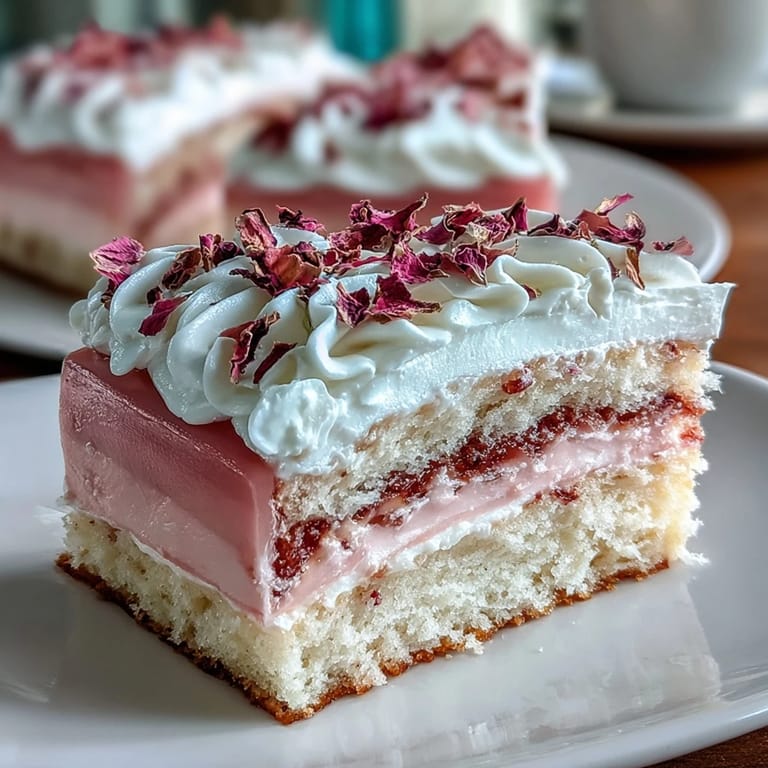
- Place the first cake layer on your serving plate, spread the darkest pink buttercream on top, add the second layer with medium pink, then the third layer with light pink on top and sides. The white buttercream comes next to cover the sides completely.
- Blend the Ombre:
- Use an offset spatula to smooth the buttercream, then optionally use a bench scraper to gently blend where the colors meet, creating a gradient effect. This blending is optional but makes it look polished.
- Decorate and Chill:
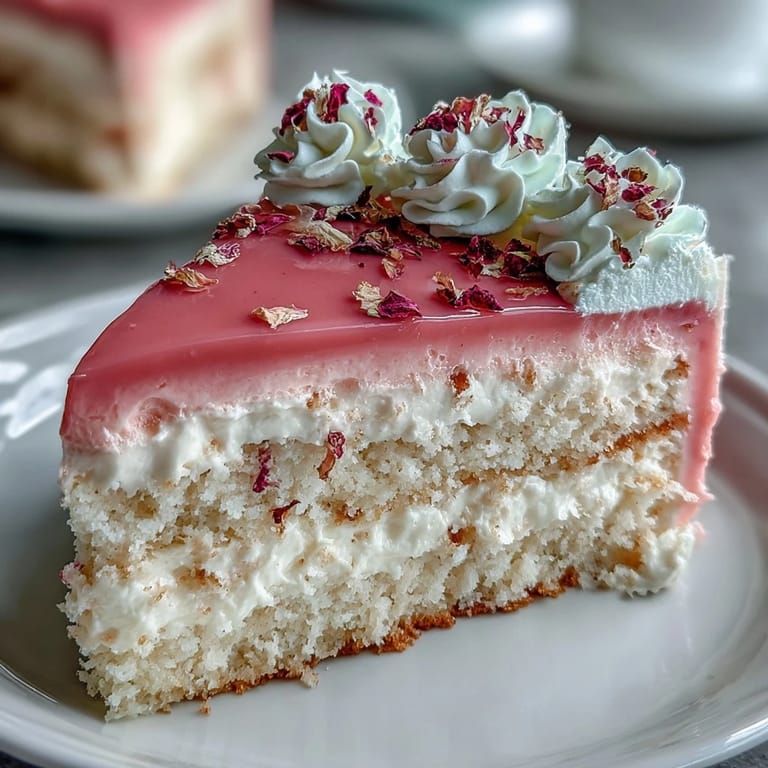
- Top with edible flowers or flower toppers just before serving, then refrigerate the cake for at least 30 minutes before slicing. Cold cake slices much more cleanly than room-temperature cake.
 Save
Save There was a moment while frosting this cake for my mother's surprise party when my hands stopped shaking and I just felt present—really present—in the act of making something beautiful for someone I love. That's what this cake does; it transforms an ordinary Sunday into something memorable, one pink layer at a time.
Baking Ahead Makes Everything Easier
I learned to bake the cake layers two days before decorating, wrapped them in plastic wrap, and stored them at room temperature—they stayed moist and actually became easier to frost because they weren't still cooling. Buttercream can be made and refrigerated in an airtight container for up to five days, so all the heavy lifting happens before the day you want to serve it. This approach turned what looked like an impossible task into something manageable, happening in stages rather than all at once.
The Simple Syrup Trick
The first time I made this cake, I skipped the simple syrup brush because I thought it was optional—the cake was good but slightly dry by the second day. The next time, I quickly simmered equal parts sugar and water, let it cool, and brushed each layer before frosting; the difference was remarkable. That thin layer of sweetness keeps the cake tender and adds a subtle moisture that makes each bite feel delicate instead of crumbly.
Flowers and Final Flourishes
Edible flowers feel like magic but they're practical too—they hide any imperfections in the frosting while adding color and a delicate touch that makes the cake feel special. The best approach is to add them as late as possible, just before serving, so they stay fresh and perky rather than wilting into the buttercream. A simple arrangement of violets around the top edge or scattered pansies on the sides instantly elevates the whole presentation.
- Check that any flowers you use are truly edible and haven't been treated with pesticides.
- A small dab of buttercream underneath keeps flowers in place without sliding around.
- Remove any non-edible flower toppers before slicing and serving to your guests.
 Save
Save This cake has become my go-to for celebrating the women who matter, whether it's Mother's Day or just because someone deserves to feel special. The beauty is in the simplicity—soft cake, silky frosting, and flowers that remind us that food is sometimes about more than taste.
Kitchen Q&A
- → How do I achieve the pink ombre effect in the frosting?
Divide the buttercream into several bowls and add increasing amounts of pink food coloring to each to create gradient shades. Apply from darkest to lightest on the cake layers for a smooth transition.
- → Can I prepare the cake layers ahead of time?
Yes, you can bake the cake layers in advance and wrap them tightly. Chill in the fridge to maintain freshness before assembling and frosting.
- → What are the best flowers to use for decoration?
Edible flowers like violets, pansies, and rose petals add natural beauty and subtle flavor. Always ensure they are safe for consumption and pesticide-free.
- → How can I ensure clean frosting layers?
Chill the cake for about 30 minutes after decorating to firm up the buttercream, making slicing neater and preventing smudging.
- → Can this cake be made vegetarian-friendly?
Yes, all ingredients used are suitable for a vegetarian diet, including butter, eggs, and milk.