 Save
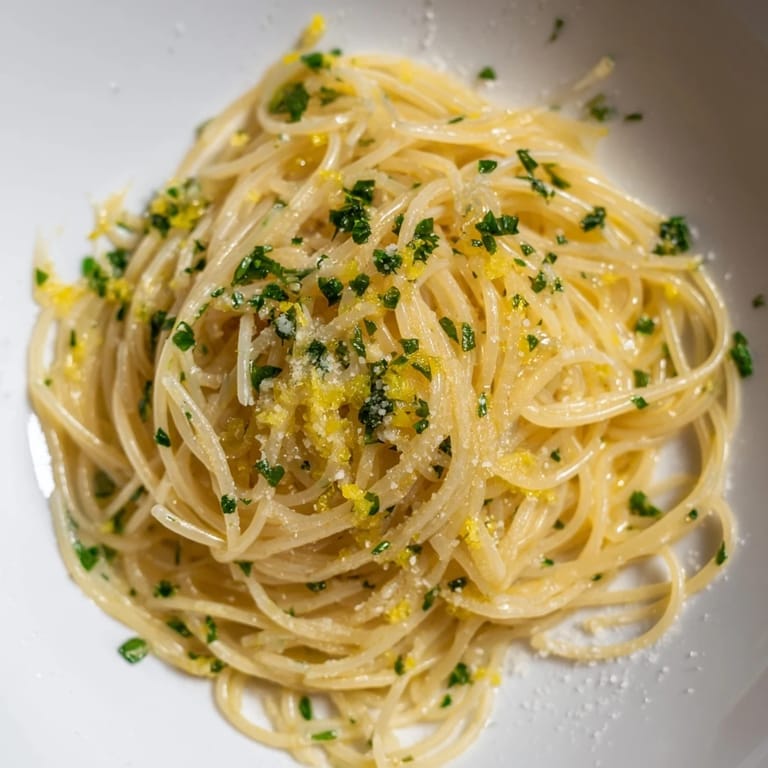
Save There's something almost meditative about the moment lemon zest hits hot butter—that sudden perfume that fills your kitchen and makes you pause mid-breath. I discovered this pasta late one afternoon when I was too tired for anything complicated but hungry for something that felt special. Ten minutes later, my kitchen smelled like sunshine and Italy, and I realized you don't need hours of effort to make something memorable.
I made this for friends who arrived without warning on a Tuesday, and the speed at which it came together became part of the charm. We stood around the kitchen watching the pasta water do its magic, and by the time they sat down, they were already reaching for seconds. That's when I knew this recipe wasn't just easy—it was the kind of thing that makes ordinary moments taste extraordinary.
Ingredients
- Capellini (350g): Angel hair pasta is fragile and elegant, cooking in barely three minutes if you stay close and taste often—it's your gauge for everything else happening in the pan.
- Unsalted butter (60g): The foundation of your sauce, this is where you taste the quality of what you're using, so choose butter you'd eat on warm bread.
- Lemon zest (from 2 lemons): This is the perfume of the whole dish—use a microplane to capture those bright oils, and you'll taste the difference over a regular grater.
- Lemon juice (from 2 lemons, about 4 tbsp): Fresh squeezed always, never the bottled kind that tastes like science; this is your brightness and your balance.
- Reserved pasta water (60ml): This starchy liquid transforms the sauce from thin to silky, binding everything together in a way cream never could.
- Freshly grated Parmesan (50g): Grate it yourself just before using, because pre-grated loses something essential—the way it melts into the warmth changes everything.
- Fresh herbs (parsley, basil, chives): These finish the dish with life and brightness, added at the very end so they don't lose their snap to heat.
- Black pepper and salt: Season in layers, tasting as you go, because balance is what makes simplicity sing.
Tired of Takeout? 🥡
Get 10 meals you can make faster than delivery arrives. Seriously.
One email. No spam. Unsubscribe anytime.
Instructions
- Boil your water with intention:
- Salt the water generously—it should taste like the sea—and bring it to a rolling boil before the pasta goes in. Those few extra minutes of heat matter more than you'd think.
- Cook the pasta until it still has a whisper of resistance:
- Angel hair is forgiving but unforgiving; three minutes is your window, and you need to taste it around the two-minute mark. Al dente isn't just texture—it's how the pasta holds the sauce.
- Start your sauce while pasta cooks:
- Melt the butter over medium heat, watching it turn from solid to liquid to something that smells like toasted nuts. This is the moment lemon zest joins the party—stir it in and let the heat release all those oils.
- Build the sauce layer by layer:
- Add lemon juice and pasta water, letting them warm together for a minute so the flavors marry. You're creating something emulsified and glossy, not just mixing wet things together.
- Unite pasta and sauce in a gentle toss:
- This is a tender operation—rough handling breaks delicate strands and separates your carefully built sauce. Use a pasta fork or tongs and let the pasta roll through the butter, coating each piece.
- Finish with cheese and seasoning:
- Parmesan melts into the warmth, adding richness and salt. Taste, adjust, add a crack more pepper—this is your last chance to make it exactly right.
- Add herbs at the finish line:
- Fresh herbs brighten everything; if you cook them into the sauce, they disappear into the background instead of singing at the front.
 Save
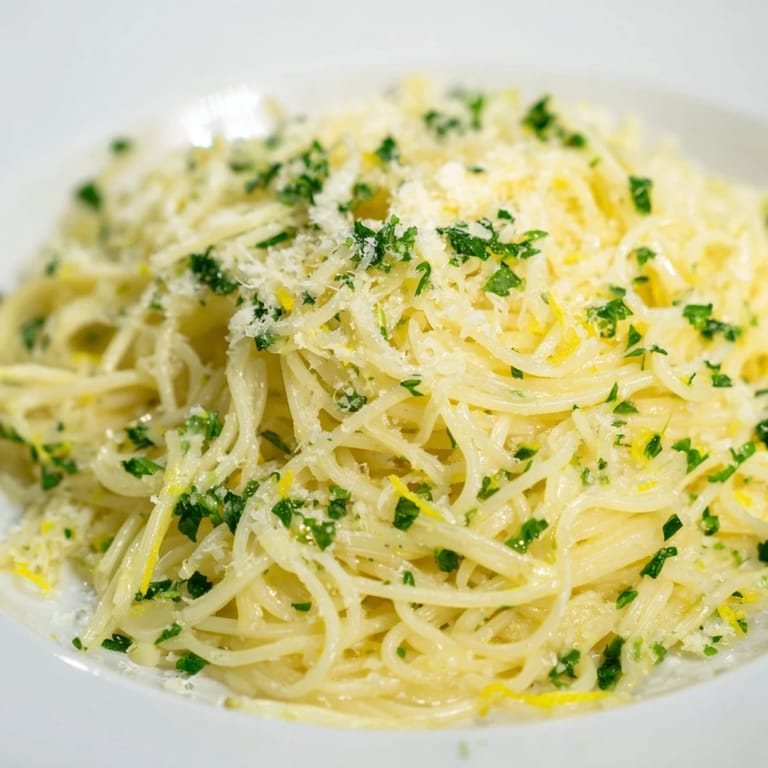
Save This dish taught me that sometimes the simplest things linger the longest in memory. Months later, friends still mention that Tuesday night, not because the pasta was complicated, but because it tasted like someone had made space to feed them with care.
The Magic of Lemon and Butter
There's a reason French kitchens have been pairing these two ingredients for centuries—butter carries lemon's brightness without competing with it, and together they create something warmer and rounder than lemon alone would be. When you zest the lemon directly into hot butter, you're not just adding flavor; you're releasing aromatic oils that coat your tongue before the pasta even arrives. This is what makes a simple sauce memorable.
Why Pasta Water Matters More Than You Think
Most cooks learn about pasta water through failure—a sauce that breaks, separates, or refuses to coat the pasta properly. The starch in that cloudy water is a natural emulsifier, binding fat and acid into something creamy without any cream at all. Italians didn't invent this trick by accident; they discovered it because they understood that the solution to most pasta problems is already in the pot in front of you. Save it, use it, let it work its quiet magic.
Variations and Moments to Personalize
This foundation is versatile enough to shift with your season, your mood, and what's in your pantry. A whisper of mascarpone stirred in at the end adds richness without weight; a handful of sautéed shrimp or grilled chicken transforms it from light lunch to full dinner. The herbs you choose matter too—mint and dill will take you somewhere different than basil and parsley, and there's no wrong direction to explore.
- Add sautéed shrimp or grilled chicken if you want something heartier and more substantial.
- A spoonful of mascarpone or crème fraîche at the end creates a silkier, more luxurious sauce.
- Cherry tomatoes, capers, or browned garlic each tell a completely different story with the same foundation.
 Save
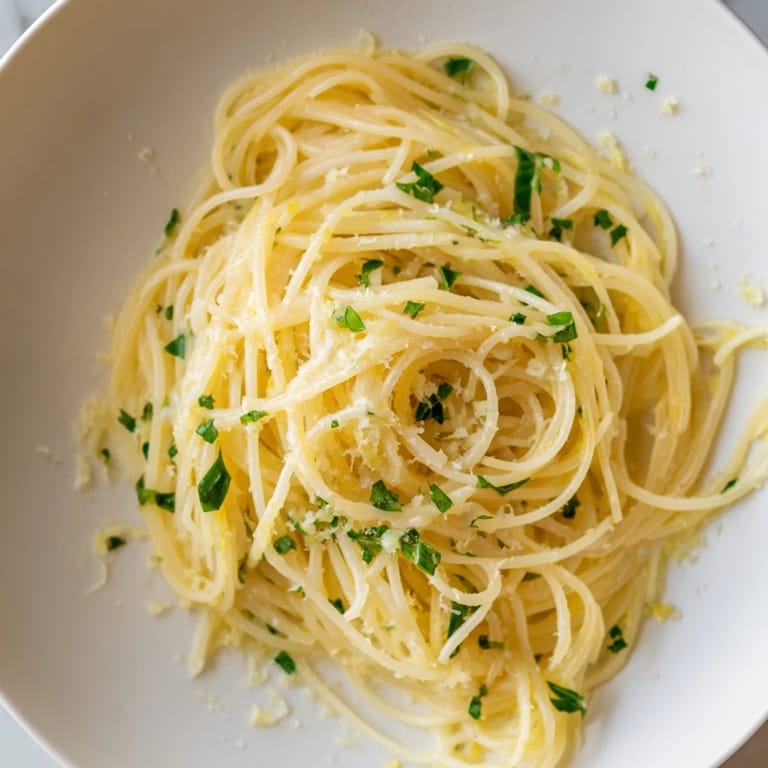
Save This dish reminds me that elegance and simplicity aren't opposites—they're companions. When you cook with intention and ingredients you actually taste, you don't need much else.
Kitchen Q&A
- → How can I ensure the capellini stays al dente?
Cook the capellini in boiling salted water for only 2–3 minutes until just tender but firm to the bite. Drain promptly to avoid overcooking.
- → Why is reserved pasta water added to the sauce?
The reserved pasta water, rich in starch, helps bind the lemon butter sauce to the capellini, creating a smooth and silky texture.
- → Can I substitute fresh herbs in this dish?
Yes, parsley, basil, and chives provide brightness, but you may also try tarragon or oregano for varied flavors.
- → What is the best way to incorporate lemon flavor without bitterness?
Use fresh lemon zest and juice gently cooked in butter to release fragrant oils while softening bitterness, resulting in a balanced citrus note.
- → How should this dish be served for best flavor?
Serve immediately after mixing to enjoy the sauce's creaminess and fresh herb aroma at its peak.