 Save
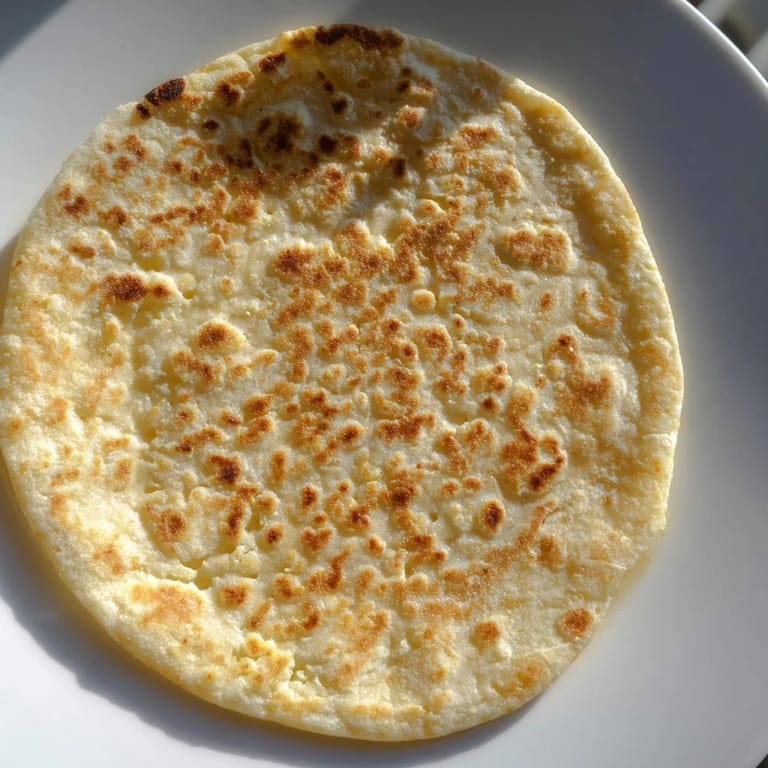
Save There's something almost magical about the moment when Greek yogurt and cottage cheese transform into dough right in your bowl. I discovered these flatbreads on a weeknight when I wanted something warm and pillowy but didn't have the patience for yeast and rising times. The first batch came out golden and chewy, and I realized I'd stumbled onto something that would become my go-to bread for everything from soup to wraps to just plain snacking.
I made these for a casual dinner party and watched my friends tear into them still warm from the pan, slathering them with tzatziki and hummus like they'd never seen flatbread before. Someone asked for the recipe before dessert even came out, which felt like the highest compliment possible. Now they show up on my table whenever someone needs comfort food that feels both simple and special.
Ingredients
- Plain flour (200 g / 1 2/3 cups): All-purpose works perfectly here; the yogurt and cottage cheese do the heavy lifting for tenderness, so you don't need anything fancy.
- Greek yogurt (120 g / 1/2 cup): The tanginess and moisture are non-negotiable, and full-fat versions create a richer crumb than low-fat options.
- Cottage cheese (100 g / 1/2 cup): This is your secret weapon for softness; blend it smooth if you prefer a more uniform texture, or leave it chunky for rustic charm.
- Baking powder (1/2 tsp): Just enough lift to make these chewy rather than dense.
- Fine sea salt (1/2 tsp): Enhances everything and balances the tang beautifully.
- Olive oil or melted butter (2 tbsp): For cooking; butter browns them faster and tastes richer, but olive oil works if that's what you have.
Tired of Takeout? 🥡
Get 10 meals you can make faster than delivery arrives. Seriously.
One email. No spam. Unsubscribe anytime.
Instructions
- Mix your dry base:
- Combine flour, baking powder, and salt in a large bowl. This tiny bit of prep prevents lumps and ensures even baking powder distribution throughout.
- Add the magic:
- Dollop in the Greek yogurt and cottage cheese, then mix with your hands or a spoon until everything comes together in a shaggy, slightly sticky dough. Don't overthink it.
- Knead gently:
- On a lightly floured surface, knead for just 2 to 3 minutes until the dough feels smooth and cohesive. Over-kneading toughens the bread, so stop as soon as it's no longer rough.
- Divide into portions:
- Cut the dough into 6 equal pieces and roll each into a tight ball; this helps with even cooking later.
- Roll thin:
- Flatten each ball to about 1/4 inch thick, dusting with flour as you go to prevent sticking. Don't stress about perfect circles; rustic shapes taste just as good.
- Heat your pan:
- Use a nonstick skillet or cast iron over medium heat and brush it lightly with oil or butter just before cooking.
- Cook until golden:
- Place a flatbread in the hot pan and cook for 2 to 3 minutes per side until you see light golden spots and the bread feels set when you press it gently. Listen for the sizzle; it tells you everything's on track.
- Keep them warm:
- Transfer cooked flatbreads to a plate and drape with a clean towel so they stay soft and pliable while you finish the batch.
 Save
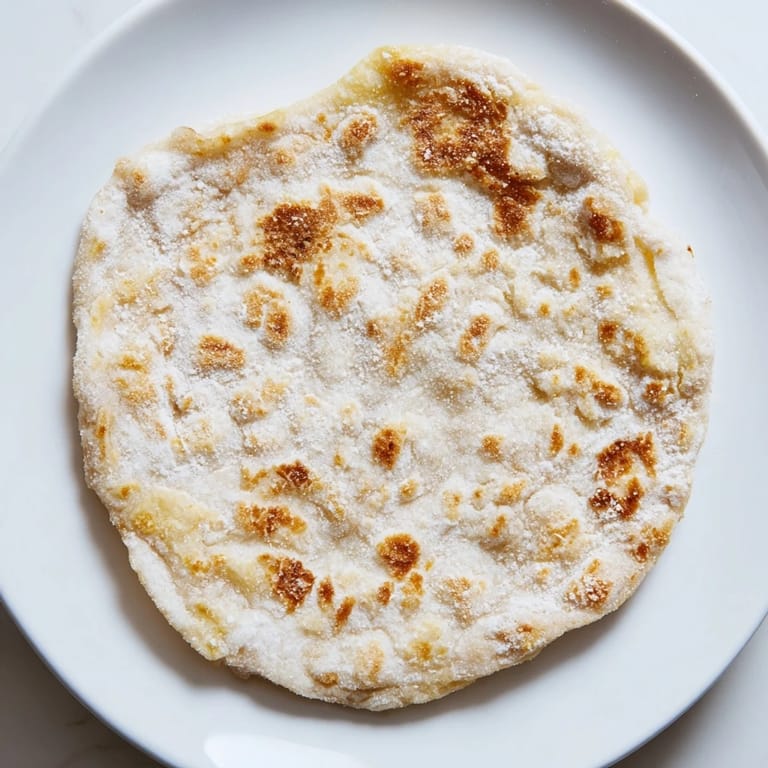
Save There's a particular joy in tearing open a still-warm flatbread and seeing that tender, slightly chewy interior, knowing you made it from scratch in less time than it takes to order takeout. These breads transformed an ordinary Tuesday night into something worth remembering.
Flavor Variations to Try
These flatbreads are a blank canvas, and I've experimented plenty over the months. A handful of chopped fresh dill mixed into the dough tastes like summer, while minced garlic and a pinch of everything seasoning feels more savory and grown-up. I once stirred in some fresh chives and a pinch of crushed red pepper flakes, and they became the star of a soup night.
Serving Ideas That Actually Work
Warm flatbreads draped over a bowl of soup or stew soak up the broth in the most satisfying way. They're equally at home as wraps for roasted vegetables and hummus, or simply torn up and dipped into za'atar oil or whipped feta. On quieter evenings, I toast leftover flatbreads in a dry pan until they're crispy and serve them alongside Greek salads or mezze platters.
Storage and Make-Ahead Tips
These keep beautifully in an airtight container at room temperature for a day, or frozen for up to a month if you wrap them individually in parchment paper and seal them in a freezer bag. Reheating is effortless: just pop them into a dry skillet over medium heat for a minute or two per side until they're warm and slightly crispy again, and they taste almost like you just made them.
- Freeze cooked flatbreads with parchment between each one so they don't stick together and you can grab just what you need.
- Cold flatbreads can be sliced and toasted like pita chips if you want a quick crispy snack.
- Make the dough ahead and refrigerate it for up to a day, then roll and cook whenever hunger strikes.
 Save
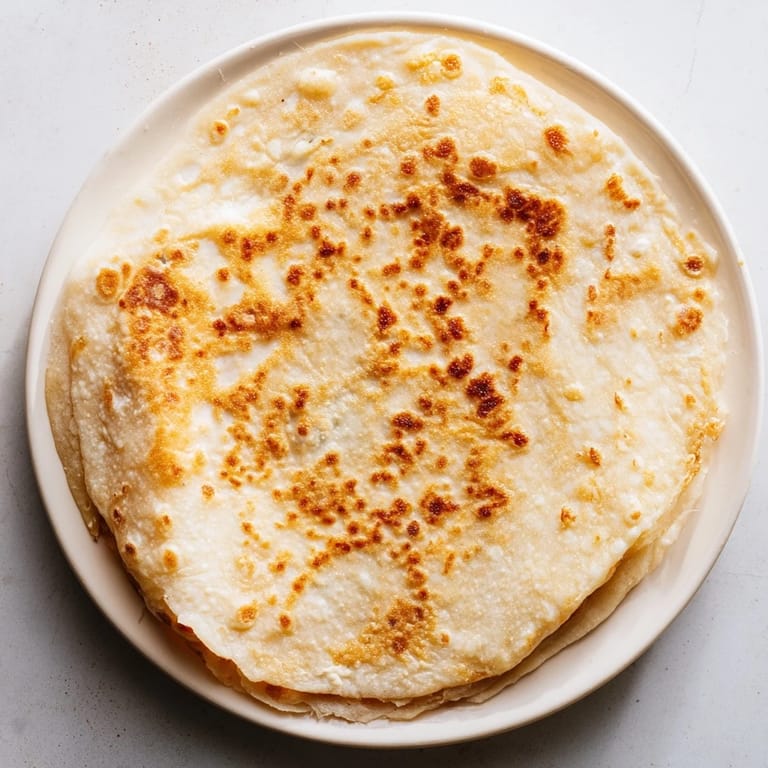
Save These flatbreads taught me that the simplest recipes often deliver the most satisfaction, especially when made with intention and shared generously. They've become my answer to almost every dinner dilemma.
Kitchen Q&A
- → What gives the flatbreads their tenderness?
The addition of cottage cheese enriches the dough, resulting in a soft and tender texture.
- → Can I add herbs to the dough?
Yes, mixing in chopped parsley, chives, or dill enhances flavor and adds freshness to the flatbreads.
- → What is the best fat for cooking these flatbreads?
Olive oil or melted butter both work well to achieve a golden, flavorful crust during pan-frying.
- → How should I store and reheat leftover flatbreads?
Store in an airtight container and reheat in a dry skillet to preserve texture and warmth.
- → Is the dough sticky and how can I handle it?
The dough may be slightly sticky; dusting your hands and surface with flour helps to knead and roll it smoothly.
- → How thick should the flatbreads be rolled?
Roll the dough rounds to about 5–6 mm thick for the best balance of tenderness and chewiness.