 Save
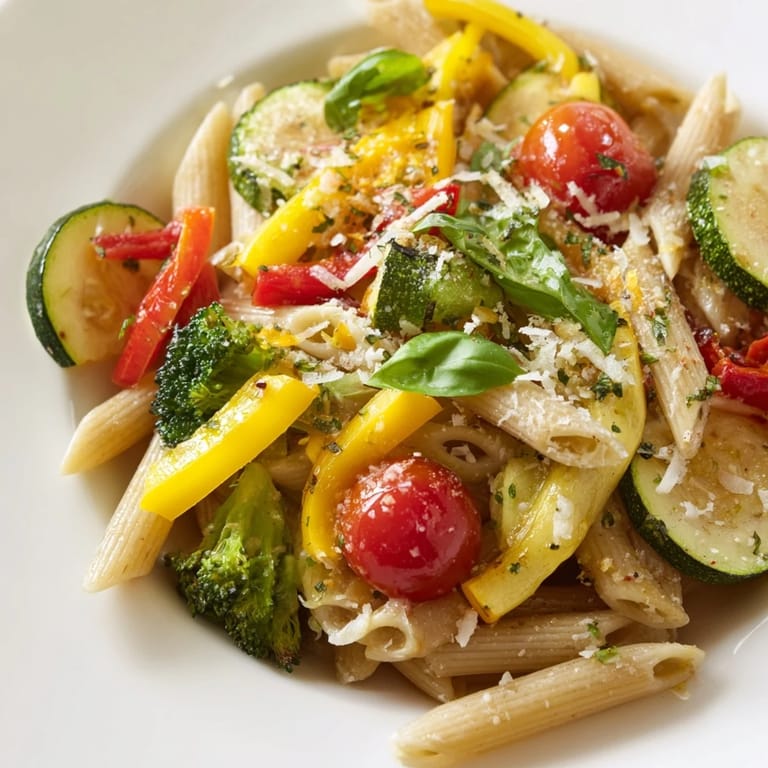
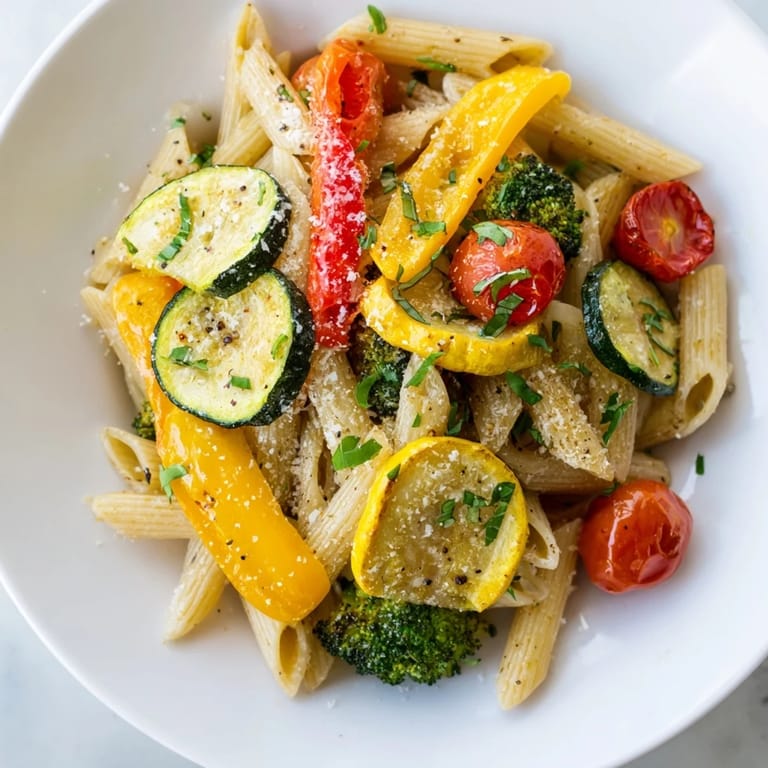
Save My stove timer was beeping, the oven door fogging up from the heat, and I was realizing I had bought way too many vegetables at the market that morning. I tossed them all onto a sheet pan, drizzled some olive oil, and slid them into the oven without much of a plan. When I pulled them out twenty minutes later, golden and sweet smelling, I knew I had stumbled onto something worth repeating. That messy, improvised dinner turned into my go to Pasta Primavera, the kind of dish that looks intentional but really just started with too much produce and not enough fridge space.
I made this for a friend who swore she did not like zucchini, and I watched her go back for seconds without saying a word. She finally asked what I did to the vegetables, convinced I had used some fancy technique. I just shrugged and said I let the oven do the work. Sometimes the best cooking trick is knowing when to step back and let heat and time handle the flavor.
Ingredients
- Penne or fusilli pasta (340 g): These shapes grab onto the vegetables and oil better than spaghetti, and they are sturdy enough to toss without breaking.
- Zucchini and yellow squash (1 medium each, sliced): They roast beautifully and add a mild sweetness that balances the sharper flavors, just make sure to slice them evenly so they cook at the same rate.
- Red and yellow bell peppers (1 each, cut into strips): The sugar in bell peppers caramelizes in the oven, giving you those slightly charred, candy sweet bites that make this dish addictive.
- Red onion (1 small, sliced): It mellows out completely when roasted, turning soft and jammy instead of sharp and biting.
- Cherry tomatoes (150 g, halved): They burst in the oven and release their juices, creating little pockets of tangy sweetness that cling to the pasta.
- Broccoli florets (120 g): The florets get crispy at the tips and tender at the stems, adding texture and a slight bitterness that keeps the dish from being too sweet.
- Extra virgin olive oil (3 tbsp, divided): Use a good one here since it is not getting cooked out, the fruity flavor becomes part of the sauce.
- Garlic (3 cloves, minced): Fresh garlic sautéed just until fragrant makes the whole kitchen smell like an Italian grandmother is visiting.
- Dried Italian herbs (1 tsp): A mix of oregano, basil, and thyme brings warmth and a hint of earthiness without needing a dozen fresh herb bunches.
- Salt, black pepper, and red pepper flakes (½ tsp, ¼ tsp, pinch): Season generously, vegetables need more salt than you think, and the red pepper flakes add a quiet heat that sneaks up on you.
- Parmesan cheese (50 g, freshly grated): Freshly grated melts into the pasta and clings to every piece, pre shredded stuff just does not have the same magic.
- Fresh basil or parsley (2 tbsp, chopped): A handful of fresh herbs at the end wakes everything up and makes it taste like you put in way more effort than you did.
- Lemon wedges (optional): A squeeze of lemon at the table brightens the whole dish and cuts through the richness of the oil and cheese.
Tired of Takeout? 🥡
Get 10 meals you can make faster than delivery arrives. Seriously.
One email. No spam. Unsubscribe anytime.
Instructions
- Prep the oven and pan:
- Preheat your oven to 220°C (425°F) and line a large baking sheet with parchment paper so nothing sticks and cleanup is a breeze. Make sure your sheet is big enough to spread the vegetables in one layer, crowding them will steam them instead of roasting.
- Season and roast the vegetables:
- Toss all your sliced vegetables with 2 tablespoons of olive oil, the Italian herbs, salt, and pepper until everything is coated. Spread them out in a single layer and roast for 18 to 20 minutes, stirring once halfway through so they brown evenly and get those caramelized edges.
- Boil the pasta:
- While the vegetables roast, bring a large pot of salted water to a rolling boil and cook your pasta until al dente, following the package instructions. Before draining, scoop out half a cup of the starchy pasta water, it is liquid gold for bringing the dish together later.
- Sauté the garlic:
- In a large skillet over medium heat, warm the remaining tablespoon of olive oil and add the minced garlic. Let it sizzle for about 30 seconds until it smells amazing but has not turned brown, burnt garlic is bitter and will ruin the whole vibe.
- Combine everything:
- Add the roasted vegetables and drained pasta to the skillet with the garlic and toss gently with tongs or a wooden spoon. If it looks dry, add the reserved pasta water a splash at a time until everything is glossy and coated.
- Finish and serve:
- Take the skillet off the heat and stir in half the Parmesan and the fresh herbs, then taste and adjust the salt and pepper. Serve immediately with the rest of the Parmesan on top, extra herbs, and lemon wedges on the side for anyone who wants a citrusy kick.
 Save
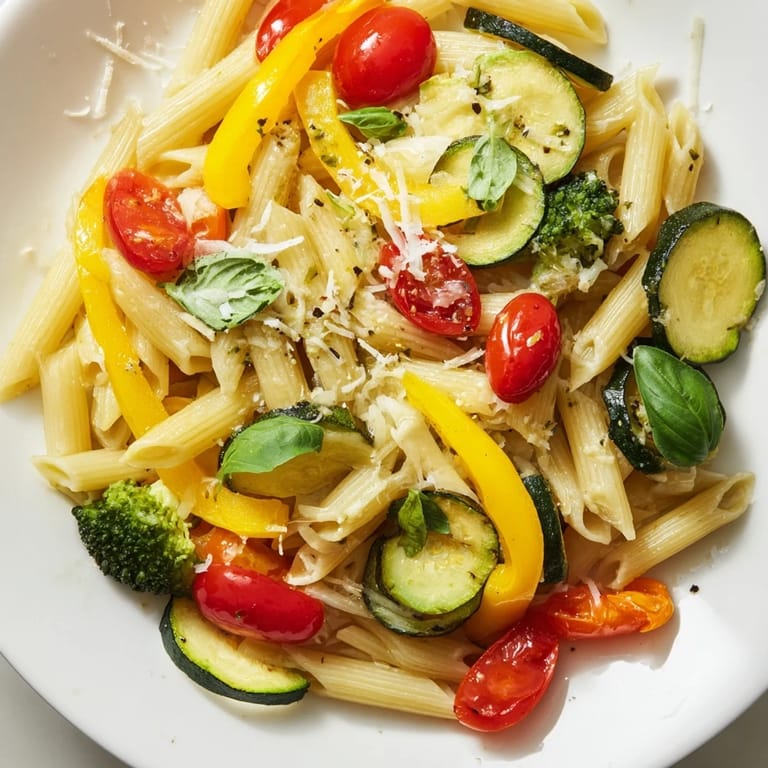
Save One evening I made this for a potluck and forgot to bring serving spoons, so everyone just dove in with forks straight from the pan. By the end of the night, the pan was scraped clean and someone had written give me the recipe on a napkin and left it on the counter. It is funny how a dish this simple can make people feel like they have been let in on a secret.
How to Choose Your Vegetables
The vegetables listed here are just a starting point, and you should feel free to swap based on what looks good at the market or what is wilting in your fridge. Asparagus, snap peas, mushrooms, and even thinly sliced fennel all roast beautifully and bring their own personality to the dish. Just keep the sizes roughly the same so everything cooks evenly, and remember that heartier vegetables like carrots or cauliflower might need a few extra minutes in the oven.
Making It a Complete Meal
This dish is satisfying on its own, but if you want to add protein, toss in some sautéed chicken, shrimp, or a can of drained chickpeas when you combine everything in the skillet. I have also stirred in white beans with a handful of spinach at the end, and it turned into a heartier, almost stew like pasta that kept me full for hours. The beauty of Pasta Primavera is that it adapts to whatever you need it to be, light lunch or filling dinner.
Storage and Reheating
Leftovers keep well in an airtight container in the fridge for up to three days, and I have been known to eat them cold straight from the container for breakfast. If you want to reheat, add a splash of water or broth to a skillet over medium heat and toss the pasta until warmed through, the moisture brings it back to life. You can also microwave it in short bursts, stirring in between, though the texture will not be quite as good as stovetop reheating.
- If you plan to meal prep, slightly undercook the pasta so it does not get mushy when reheated.
- Store any extra Parmesan and fresh herbs separately and add them just before eating for maximum flavor.
- This dish does not freeze well because the vegetables lose their texture, so it is best enjoyed within a few days.
 Save
Save This is the kind of recipe that grows with you, changing with the seasons and your mood, and never getting old. Keep it in your back pocket for the nights when you want something bright, easy, and honestly just really good.
Kitchen Q&A
- → What vegetables work best for this dish?
The original recipe uses zucchini, yellow squash, bell peppers, red onion, cherry tomatoes, and broccoli. However, you can substitute based on seasonality and preference. Spring options include asparagus and snap peas, while mushrooms, eggplant, and green beans work year-round. Roast harder vegetables slightly longer for even tenderness.
- → Can I prepare this ahead of time?
You can roast vegetables up to 2 days in advance and store them in the refrigerator. Cook pasta just before serving for the best texture. Reheat vegetables gently in a skillet before combining with fresh pasta. Alternatively, assemble completely and refrigerate for up to 24 hours, then reheat over low heat with a splash of olive oil or reserved pasta water.
- → How do I make this dish dairy-free?
Simply omit the Parmesan cheese entirely, or substitute with a plant-based alternative like nutritional yeast or cashew-based Parmesan. The dish remains flavorful and satisfying with the roasted vegetables and garlic. Add extra fresh herbs like basil and oregano to enhance depth of flavor.
- → What pasta shape works best?
Penne and fusilli are excellent choices because their ridges and curves catch the olive oil and vegetable pieces. Other good options include farfalle, orecchiette, and rotini. Avoid thin pasta like spaghetti or linguine, which may get lost among the vegetables. Choose whole wheat or gluten-free varieties if needed.
- → How can I add protein to this dish?
Add sautéed chicken breast, shrimp, or canned chickpeas for extra protein. Cook chicken separately until golden, then combine with the pasta and vegetables. For shrimp, add during the last few minutes of cooking. Chickpeas can be added directly to the skillet with the roasted vegetables. A poached or fried egg on top also works beautifully.
- → What wine pairs well with this dish?
Crisp white wines are ideal for Pasta Primavera. Pinot Grigio and Sauvignon Blanc complement the fresh vegetables and garlic flavoring. Vermentino and Grüner Veltliner also pair nicely. If you prefer rosé, choose a dry variety. Avoid heavy reds, which overpower the delicate vegetable flavors.