 Save
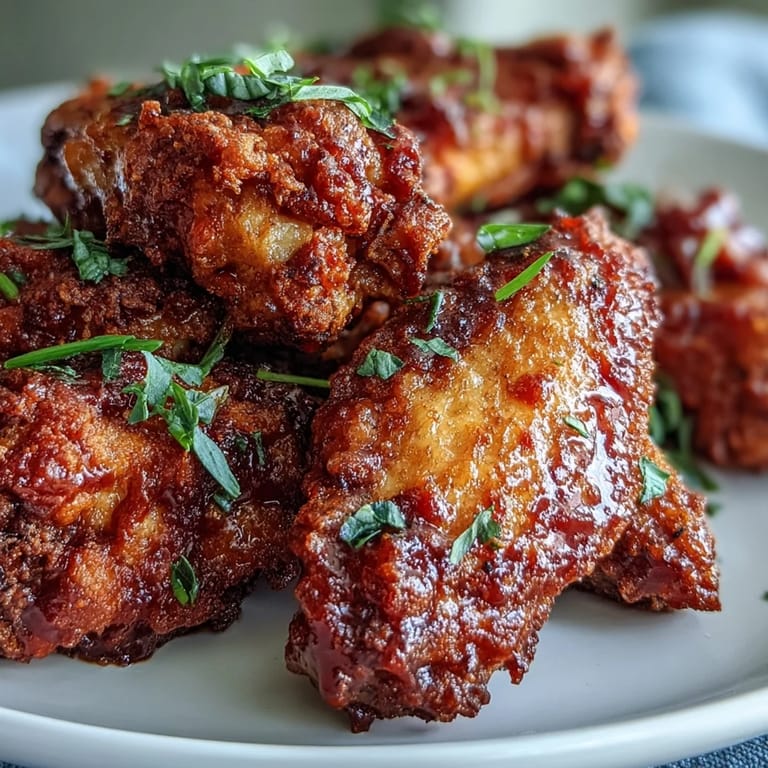
Save My roommate burst through the kitchen door one Friday night insisting we needed to master crispy wings—not the soggy, disappointing kind you get at mediocre sports bars, but the kind that shatter between your teeth with that perfect golden crust. We'd been chasing that restaurant quality for years, trying everything from double-frying to weird batter tricks, until I finally understood it wasn't one secret but a combination of buttermilk patience, the right flour blend, and respecting the oil temperature. That night, we made three batches with different sauces, and suddenly the whole apartment smelled like a proper wing joint. These wings changed how we approached Friday gatherings.
I'll never forget watching my dad try the Buffalo wings version for the first time—he closed his eyes, took a bite, and just went quiet. Then he asked for seconds immediately, which from him meant everything since he's usually the type to politely push food around his plate. The combination of tangy hot sauce, rich butter, and that tiny hint of honey hit something he didn't know he was craving.
Ingredients
- Chicken wings (1.2 kg separated at joints): Ask your butcher to do this for you if you're not confident—or save money and do it yourself with a good knife and a quick learning curve on where the joints actually live.
- Buttermilk (1 cup): This is the secret weapon that regular milk can't touch; it tenderizes the meat while adding tang, and if you're in a pinch, milk plus lemon juice works almost as well.
- Salt, black pepper, garlic powder, onion powder, paprika, cayenne (as listed): The spice blend should taste aggressive in the bowl—once it hits the hot oil and meat, it mellows into something balanced and crave-worthy.
- All-purpose flour and cornstarch (1.5 cups flour + 0.5 cup cornstarch): The cornstarch is crucial; it's what creates that extra crispness that keeps people reaching back into the basket.
- Baking powder (1 teaspoon): This sounds odd but it actually promotes browning and helps create an airier, crispier crust than you'd get without it.
- Oil for frying (sunflower or peanut): Don't skimp on quality here—cheap oil breaks down faster and will make your wings taste off, plus a thermometer is non-negotiable for keeping temperature consistent.
- Hot sauce, butter, honey (Buffalo sauce): The honey is the balancing act that prevents Buffalo from being pure heat; it adds a subtle sweetness that makes people come back for more.
- Thai sweet chili sauce, lime juice, fish sauce (Thai variant): Fish sauce seems weird until you taste it—just a teaspoon adds depth that makes the whole thing taste less one-note and more restaurant-quality.
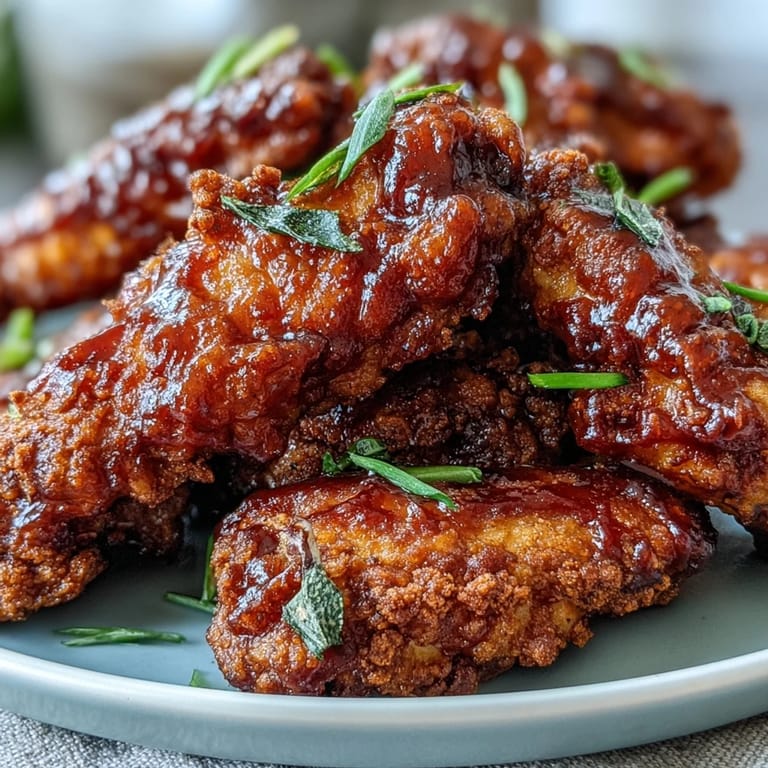
- BBQ sauce (0.5 cup): Pick something you'd actually want to eat on its own, because that's what you're tasting; a good one has smoke and slight tang.
Tired of Takeout? 🥡
Get 10 meals you can make faster than delivery arrives. Seriously.
One email. No spam. Unsubscribe anytime.
Instructions
- Bathe the wings in buttermilk:
- Mix buttermilk with all the seasonings—salt, pepper, garlic powder, onion powder, paprika, and cayenne if you want heat—then coat every wing thoroughly. The coating will look thin and watery, but trust it; overnight in the fridge is ideal because the acid in the buttermilk works slowly to break down muscle fibers and carry flavor deep into the meat.
- Mix your dry coating:
- Whisk flour, cornstarch, and baking powder together in a separate bowl until evenly combined; any lumps will create thick spots that won't crisp right. This mix should feel almost fine, like the texture of baby powder.
- Coat each wing with precision:
- Pull wings from the marinade and let excess buttermilk drip back into the bowl—you don't want them soaking wet. Press each wing firmly into the flour mixture, turning to coat all sides, then place on a wire rack and let them sit for 10 minutes; this rest period helps the coating set and adhere better during frying.
- Heat oil to the exact temperature:
- Use a thermometer and get your oil to 175°C (350°F) before you start frying; too cool and you'll get greasy soggy wings, too hot and the outside burns while the inside stays raw. Once it hits temperature, maintain it—drop the heat slightly if it climbs.
- Fry in small batches:
- Never overcrowd the pot because that drops the oil temperature and causes wings to steam instead of fry; work in batches of 6 to 8 wings, frying for 8 to 10 minutes until deep golden brown. Turn them occasionally so both sides get equal color and crispness.
- Drain and cool slightly:
- Lay wings on a wire rack set over paper towels; never stack them in a pile because steam will make the bottom soggy. Let them rest for 2 to 3 minutes before tossing with sauce.
- Create your sauces:
- For Buffalo, whisk hot sauce with melted butter and a touch of honey—the warmth should incorporate smoothly. For Thai, mix sweet chili sauce with lime juice and optional fish sauce for brightness and depth. BBQ sauce stands alone.
- Toss and serve immediately:
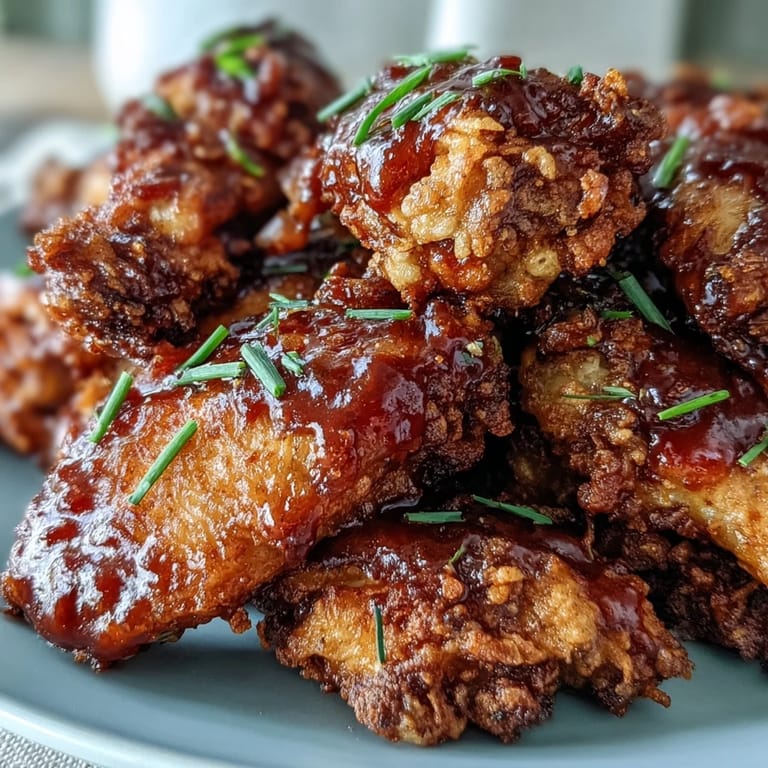
- Divide wings into groups based on sauce preference, then toss each group until every piece is coated. The heat from the wings will slightly warm the sauce and help flavors meld together beautifully.
 Save
Save There's a moment when wing night transforms from cooking into something social—when people stop talking and start eating, when you hear actual silence broken only by the sound of them biting through that crust, and you know you've nailed it. That's when you realize these wings aren't just appetizers, they're the foundation of a good evening.
The Buttermilk Advantage
Regular milk-based marinades work fine, but buttermilk's acidity actually changes the chemistry of the chicken—it breaks down proteins gently and helps the meat retain moisture during frying, which is why restaurant wings are so impossibly juicy inside despite being crispy outside. I tested this side-by-side once using buttermilk on one batch and yogurt on another, and the buttermilk wings stayed tender for hours while the yogurt batch tightened up after cooling. If you absolutely can't find buttermilk, mixing regular milk with lemon juice or vinegar works as a substitute, though the flavor will be slightly different.
Sauce Strategy and Timing
The best approach is dividing your wings into three batches and tossing each with a different sauce—this way everyone finds something they love without compromising the batch. Buffalo sauce loves the natural saltiness of the wing, Thai sauce adds brightness and a touch of heat with lime, and BBQ brings smoke and caramel notes. Toss the wings while they're still warm so the sauce adheres and slightly warms through, creating a glaze rather than a puddle of sauce sitting on the bottom of your serving dish.
Storage and Reheating Wisdom
Fried wings are honestly best served fresh and warm, but leftovers will keep in an airtight container for up to three days—and reheating is simple if you remember one rule: use your oven instead of a microwave. A 10-minute spell at 190°C (375°F) on a baking sheet will re-crisp the exterior without drying out the meat, whereas microwaving turns them rubbery every time. I learned this by making a mistake and ruining what could have been a perfect midnight snack.
- Keep sauce separate if you're storing for reheating, adding it fresh after the wings come out of the oven.
- Leftover sauces last about a week in the fridge and work brilliantly on other proteins like chicken breasts or even roasted vegetables.
- If you're feeding a crowd, prep the wings through the coating stage hours ahead and refrigerate until you're ready to fry—this actually helps the coating adhere even better.
 Save
Save Wing night is a state of mind now, something we return to whenever we want to gather people around food that makes everyone happy. These crispy, saucy, perfectly seasoned wings remind us why simple food done right beats complicated food done poorly.
Kitchen Q&A
- → How do I get extra crispy chicken wings?
Use the double-fry method: fry at 150°C for 7 minutes, let cool, then fry again at 190°C for 2-3 minutes. The cornstarch and baking powder in the coating also help achieve maximum crispiness.
- → Can I make these wings ahead of time?
You can marinate the wings overnight for better flavor. After frying, wings are best served immediately, but you can keep them warm in a 95°C oven for up to 30 minutes before tossing with sauce.
- → What oil is best for frying chicken wings?
Sunflower or peanut oil works best due to their high smoke points and neutral flavors. Avoid olive oil as it has a lower smoke point and can impart unwanted flavors.
- → How do I know when the wings are fully cooked?
Wings should be golden brown and reach an internal temperature of 75°C. They typically take 8-10 minutes at 175°C. The juices should run clear when pierced.
- → Can I bake these wings instead of frying?
Yes, though they won't be as crispy. Bake at 220°C for 40-45 minutes, flipping halfway through. For better results, place wings on a wire rack over a baking sheet to allow air circulation.
- → What can I substitute for buttermilk?
Mix 1 cup regular milk with 1 tablespoon lemon juice or white vinegar. Let it sit for 5 minutes to curdle before using. Plain yogurt thinned with milk also works well.