 Save
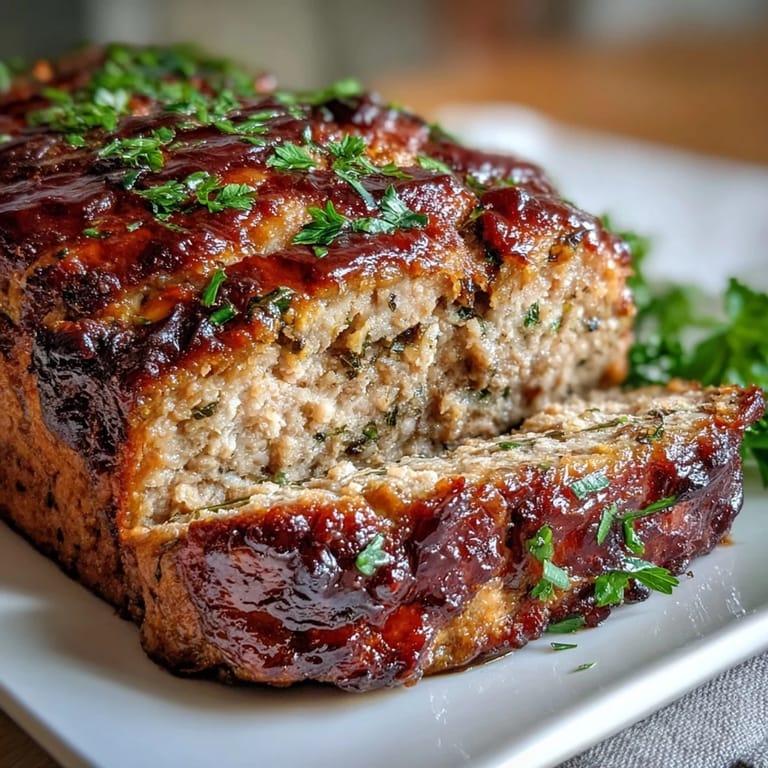
Save There was this rainy Tuesday when the scent of sizzling onions and bacon drifted from my kitchen, convincing even the grumpiest member of the household to peek in and ask, What's cooking? That's exactly how Bavarian meatloaf, or Leberkäse, first made its way into my dinner rotation. The promise of a crusty, aromatic meatloaf—golden on the outside, tender and fine-grained within—felt like a celebration even before the first slice hit the plate. To this day, the memory of stray flour dust on my shirt or the thwack of a wooden spoon against a mixing bowl brings me back to that little triumph. Not fancy or fussy, just honest comfort, Bavarian-style.
The last time I made this meatloaf was for a lazy Sunday lunch when friends unexpectedly dropped by, wet shoes parked by the door and cheeks rosy from the cold. I remember their delighted surprise at finding something so hearty waiting—especially when the mustard came out and everyone started telling stories about their travels through Germany. There is something pretty wonderful about a meal that can turn a gray afternoon into an impromptu celebration, right in your own kitchen.
Ingredients
- Ground pork (shoulder, 500 g): Pork shoulder has just enough fat to create the signature juicy softness; opt for freshly ground if you can, and keep it cold until mixing.
- Ground beef (300 g): Adds depth and meaty flavor; lean beef is best to balance the pork's richness, and I've found combining both by hand makes for a finer crumb.
- Bacon (150 g, finely diced): Savory and smoky, bacon really builds the aroma—sweating it out gently with onions is key, don't let it brown.
- Cold water or crushed ice (200 ml): Odd as it sounds, using ice-cold water as you mix the meat keeps the texture smooth and classically Bavarian; it's a trick worth adopting.
- White bread, crust removed (100 g, cubed): This soaks up flavor and keeps things moist; stale bread works great, just be sure to really squeeze it out after soaking.
- Milk (100 ml): Softens the bread, infusing richness and keeping the meatloaf tender; don't rush this soaking step.
- Onion (1 small, finely chopped): Brings gentle sweetness and depth—make sure it sweats rather than fries for a milder touch.
- Salt (1 1/2 tsp): Season liberally; trust your tastebuds but measure for real Bavarian flavor.
- White pepper (1/2 tsp): Lighter than black and less punchy—if you only have black pepper, use a little less.
- Nutmeg (1/2 tsp, ground): A distinctive touch that lifts the loaf from ordinary to intriguing; don't skip it.
- Marjoram (1/2 tsp, optional): Optional but lovely, lending a sort of woodsy, herbal freshness.
- Butter or lard: For greasing the loaf pan—you won't regret being generous here.
Tired of Takeout? 🥡
Get 10 meals you can make faster than delivery arrives. Seriously.
One email. No spam. Unsubscribe anytime.
Instructions
- Fire up your oven:
- Preheat to 180°C (350°F) while you grease a 25 cm loaf pan with butter or lard; you'll thank yourself for that golden crust later.
- Soak and squeeze:
- Cube your bread and let it bathe in milk for 10 minutes, then squeeze out every last drop until nearly dry in your hands.
- Onion and bacon magic:
- In a pan, sweat the chopped onion and diced bacon just until everything is translucent and soft, then let it cool—don't rush this, the aroma is worth savoring.
- The main event:
- Combine ground pork, beef, squeezed bread, cooled onions and bacon, and all your seasonings in a big bowl; mixing by hand, enjoy how the mixture comes together—no need for perfection yet.
- The ice-cold trick:
- Gradually pour in the cold water or ice, mixing like your life depends on it, until the mixture feels sticky and smooth; this is where the trademark texture is born.
- Shape it up:
- Scoop everything into your loaf pan, leveling the top; for tradition and a little flair, gently score a diamond pattern across the top with a damp knife.
- Bake and brown:
- Pop into the center of your oven for 60 minutes, or until deep golden and a skewer slides out clean—let your kitchen fill with the most inviting scent.
- Slice and savor:
- Cool for a few minutes, then slice thick and serve warm with mustard and pretzels; or chill for sandwiches the next day.
 Save
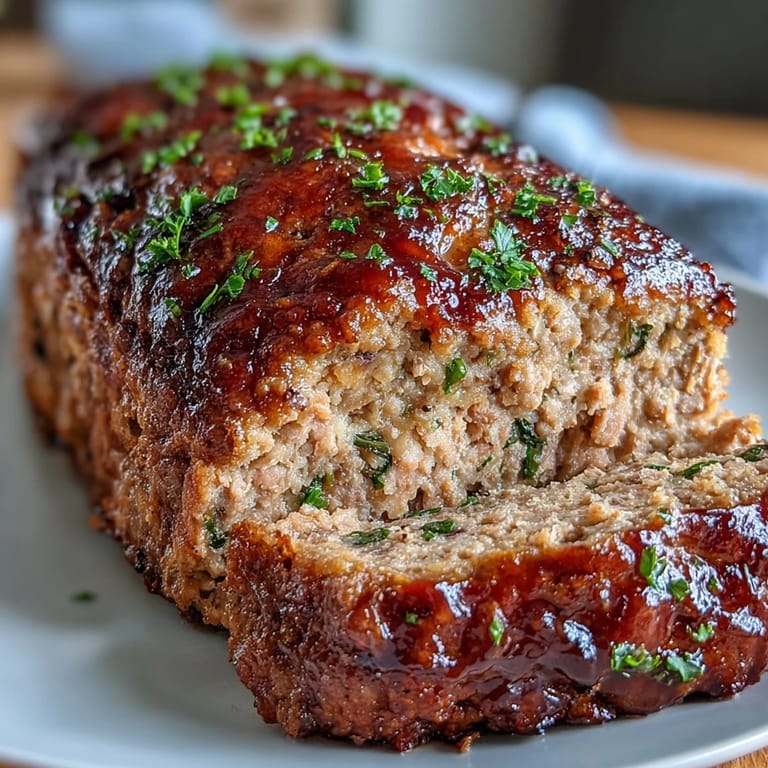
Save The first night we set this on the table, I expected leftovers. Instead, it disappeared slice by slice, with everyone arguing over the last corner piece (which, let’s be honest, is objectively the best part for crunch lovers). Since then, this meatloaf has earned its spot as the meal we make when we need a gentle, reliable victory on a chilly night.
What to Serve Alongside
Every time, I come back to serving this meatloaf warm with a dollop of Bavarian sweet mustard and homemade potato salad. It’s also fantastic with warm soft pretzels if you really want to channel a beer hall mood at home. Truth be told, any tangy side that balances the richness of the loaf will work in a pinch.
Make-Ahead and Leftovers
I quickly learned that Leberkäse is even better the next day—chilled and sliced for breakfast, lunch, or a picnic sandwich. It keeps in the fridge for several days, and the flavors mellow, becoming almost more comforting with time. Sometimes I sneak a slice straight from the fridge, no bread or fuss needed.
Troubleshooting and Final Tips
If you notice the loaf is browning too fast, just tent it with a bit of foil for the last 15 minutes. And don’t worry if your first diamond pattern is a little wobbly—it’s part of the fun (plus, it tastes just as good). Here’s what I wish someone had told me before my first go:
- Always keep your ingredients very cold for the best texture.
- If your loaf crumbles, try mixing longer or pulsing the mixture next time.
- Use leftover slices for hearty sandwiches with plenty of sharp mustard.
 Save
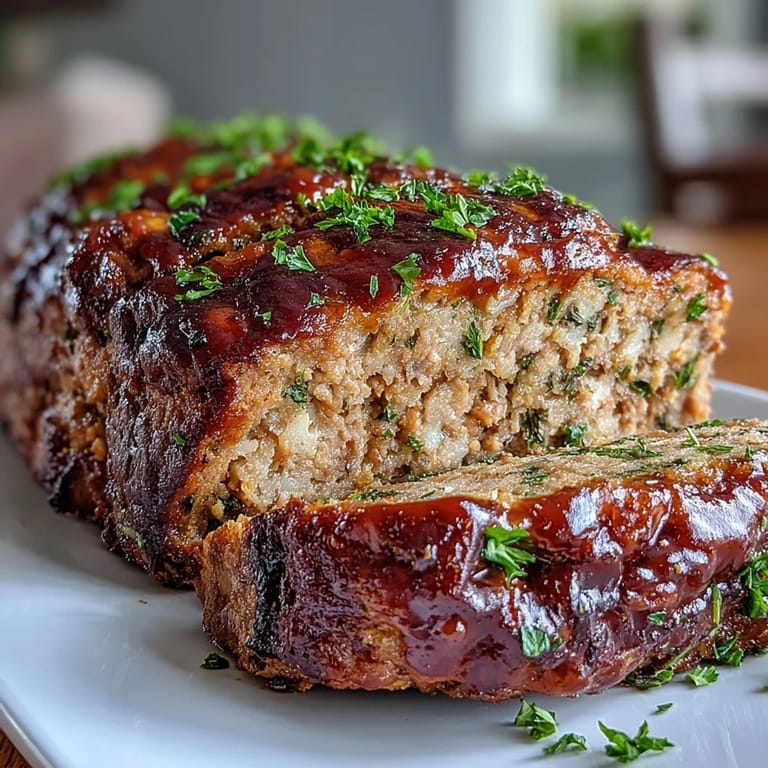
Save Whether it’s the center of a cozy meal or just a stellar sandwich filler, this Bavarian meatloaf finds a way to make any day taste a little more special. Happy cooking—and may your crust always turn out perfectly golden.
Kitchen Q&A
- → What meats are best for Bavarian meatloaf?
Use a mixture of ground pork shoulder and beef, or substitute veal for a lighter taste.
- → How do you achieve a fine meatloaf texture?
Thorough mixing and adding cold water or ice help achieve the signature smoothness. A food processor can further refine it.
- → Which seasonings create authentic Bavarian flavor?
Salt, white pepper, nutmeg, and optional marjoram bring out the traditional Bavarian profile.
- → How should Bavarian meatloaf be served?
Serve warm with sweet mustard and pretzels or cold in sandwiches. Potato salad complements it well.
- → How do you store leftovers?
Refrigerate sliced and enjoy cold in breakfast sandwiches or snacks within several days.
- → What is the purpose of soaking bread in milk?
Soaking softens the bread, ensuring moistness and binding the meat mixture expertly.